How do you choose carbon wheels for a road bike? What key factors should you consider?
Currently, domestic sales of road bicycles continue to trend upward; clearly, an increasing number of people are taking up road cycling. This includes the riders in my own circle, most of whom have now switched to road bikes to experience the unique thrill they offer. Among the various components of a road bike, the wheelset occupies a pivotal position—so much so that it is a frequent topic of discussion among riders: which wheelsets to use, and which specific models are best suited to their individual needs.
I have previously discussed the selection of wheel materials and rim depths, as well as spokes. Now, I would like to summarize those points and introduce a few other key parameters. Below, I will provide a brief overview of the different types of road bike wheelsets—highlighting the respective advantages and disadvantages of each—to serve as a useful reference for you when making your own wheelset choices in the future.
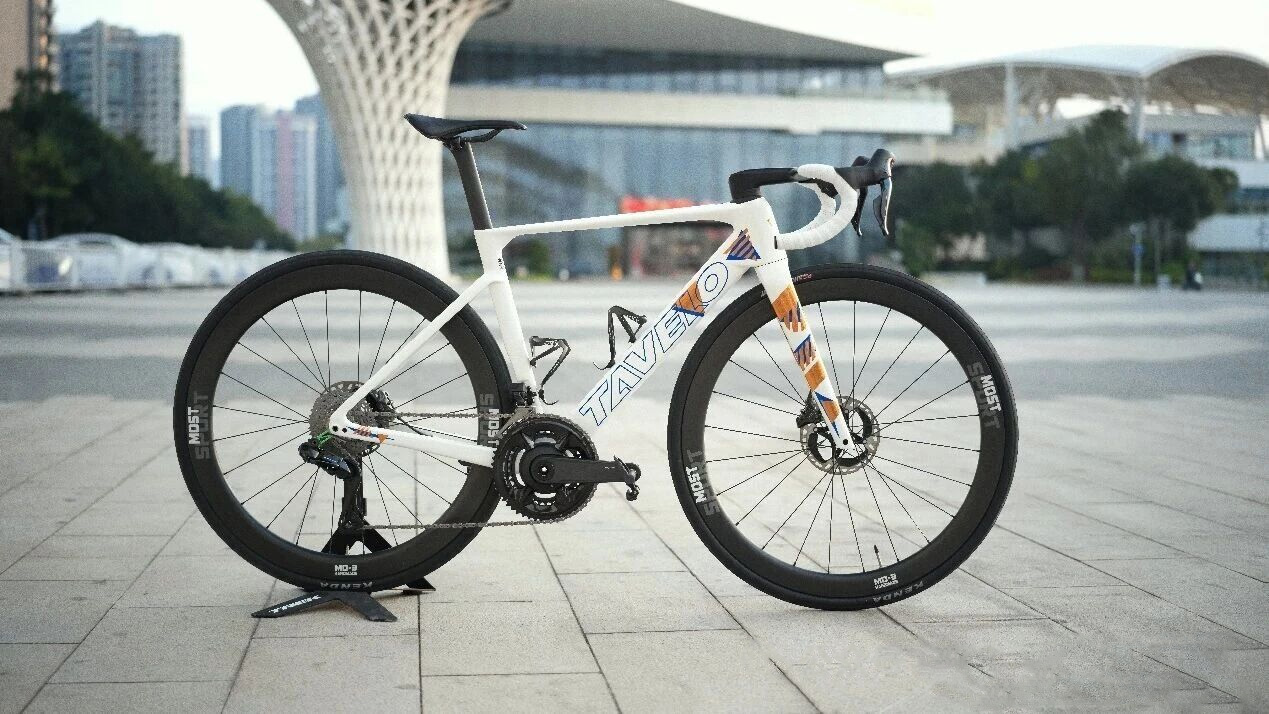
When selecting a wheelset, the most critical parameter remains the material—primarily aluminum or carbon. I have previously published a dedicated piece comparing these materials; those interested can refer to my past article: "Carbon Fiber Wheelsets vs. Aluminum Wheels: Beyond Weight, These 4 Core Performance Differences Deserve Your Attention!" For sheer value, aluminum is undoubtedly the recommended choice; however, for a superior riding experience, carbon fiber is the undisputed winner. After all, there is a reason for the higher price tag—you get what you pay for.
This installment focuses specifically on how to choose carbon fiber wheelsets.
When selecting carbon road bike wheels for all-around scenarios—covering both flat terrain and climbing—your decision-making process should revolve around seven core parameters: rim depth, rim width, hubs, freehubs, braking systems, rim structure, and tires. By evaluating these factors in light of your actual riding needs, you can strike the optimal balance between aerodynamic performance and lightweight design.
With the increasing diversification of road bike categories (racing, endurance, aero, adventure, gravel, etc.), wheelsets have evolved into similar specialized categories. Knowing what type of rider you are—and precisely what you are looking for—will significantly simplify the selection process and narrow down your options.
The following outlines the specific logic for component matching, along with our recommended configurations:
Logic for Core Parameter Configuration
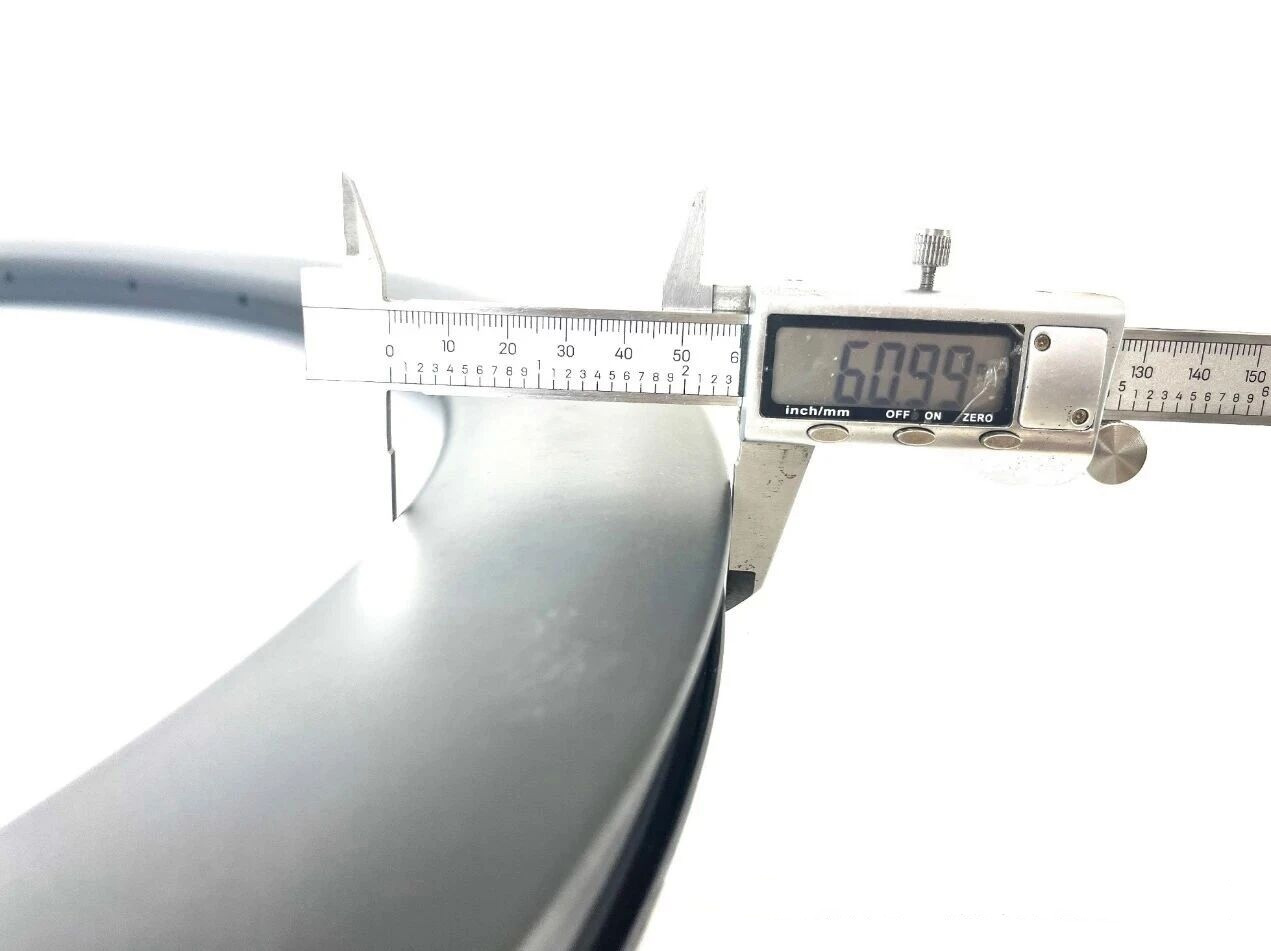
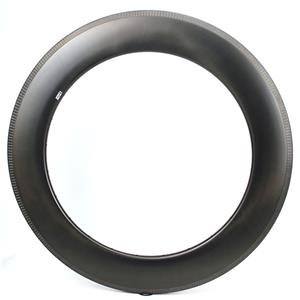
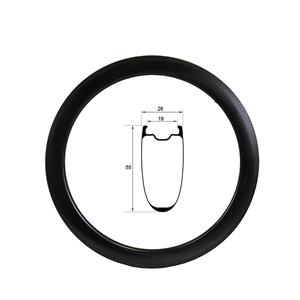
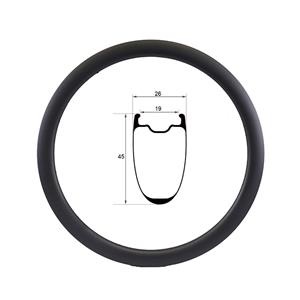
Frame height primarily affects aerodynamic performance, climbing ability, and crosswind stability. In summary: climbing/commuting → low frame, mixed terrain → medium frame, pure flat road racing → high frame.
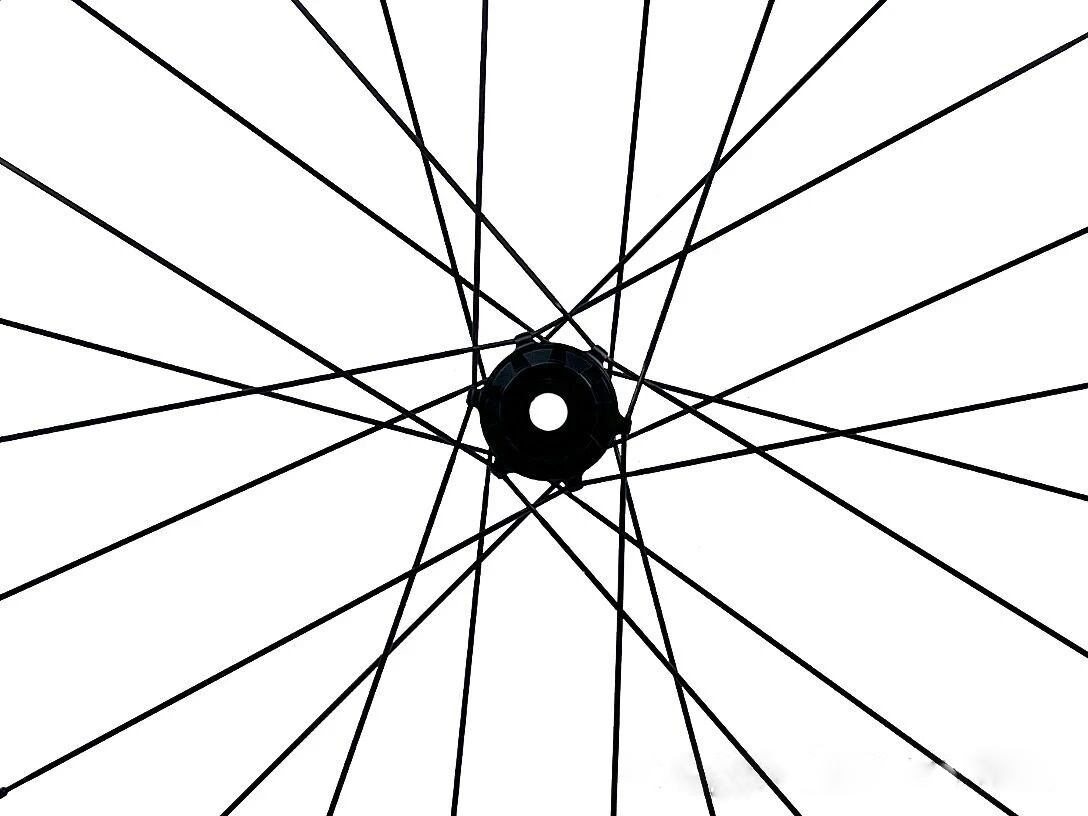
Spokes are the "thin rods connecting the rim to the hub," and their quantity determines "how sturdy the wheel is and how comfortable the ride feels." Remember: more spokes mean greater durability; fewer spokes mean a lighter, livelier feel; and a moderate number of spokes suits most riders. In summary: under 130 lbs → fewer spokes; 130–180 lbs → moderate number of spokes; over 180 lbs → more spokes.
3. Width
Recently, the trend has shifted toward using wider rims, as they offer greater internal air volume and superior aerodynamic performance—providing a more comfortable ride quality, improved handling, lower rolling resistance, and potentially a smaller contact patch.

Compatibility: An inner rim width of 21–25mm is compatible with 28–32c tires, simultaneously enhancing comfort and optimizing aerodynamic performance.
Rolling Resistance: Wide tires exhibit a 10–15% reduction in rolling resistance at lower tire pressures, making them particularly well-suited for rough road surfaces.
4. Hubs
Hubs: Simply put, this refers to the cylindrical component located at the center of the wheelset—a familiar sight to everyone. On the rear wheel, the hub features a ratchet mechanism; this allows you to stop pedaling and coast, yet ensures that your pedaling action translates into forward propulsion whenever needed. The hub assembly includes an axle, through which the wheel is secured to the bicycle frame.
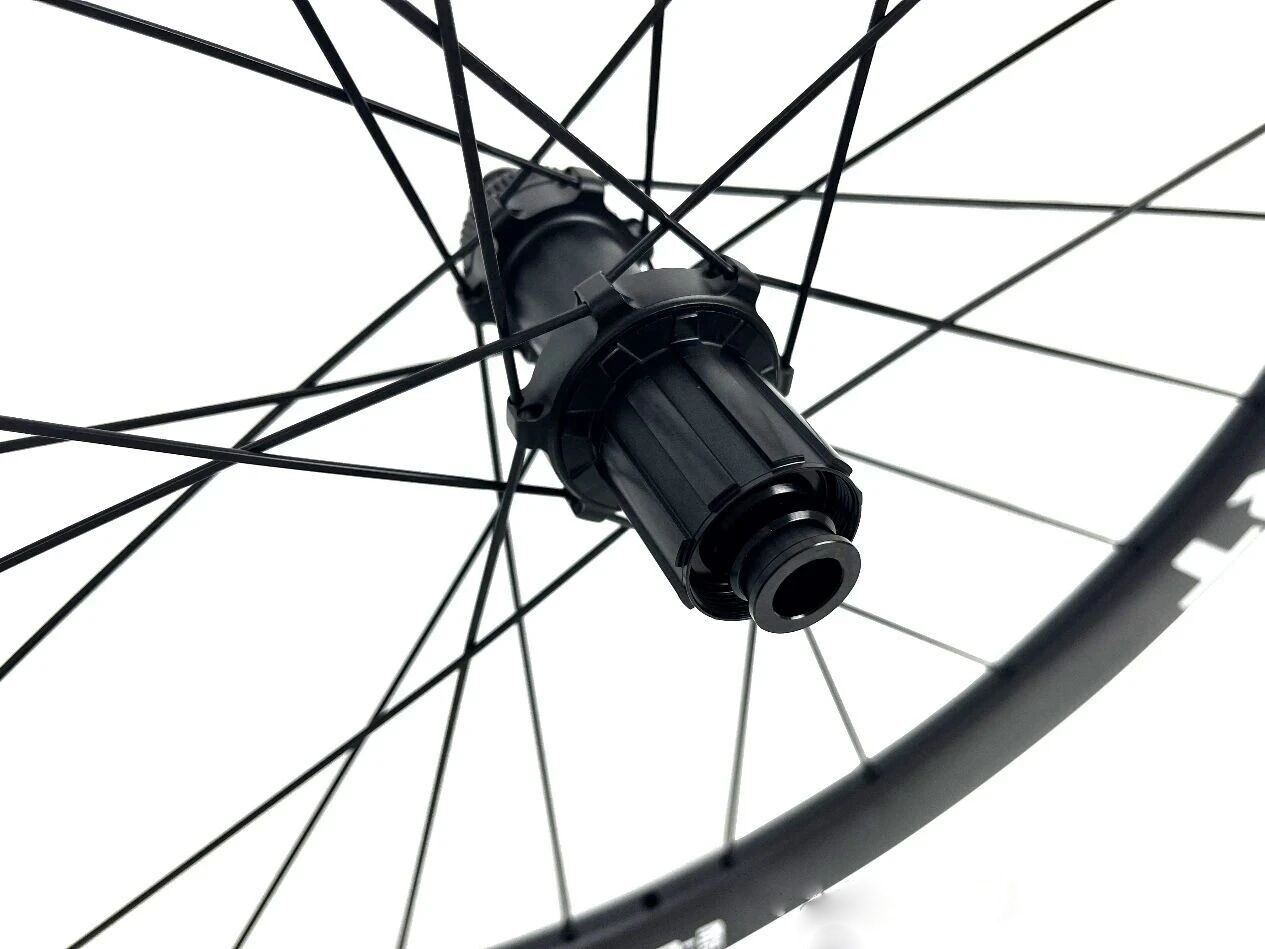
Sealing: The use of labyrinth seals or ceramic bearings enhances water and dust resistance, thereby extending service life.
Ratchet Engagement Angle: An engagement angle of ≤5° minimizes pedal free play, making it ideal for climbing and sprinting. For instance, the 72-tooth ratchet system on the MVMT M-SILVER R50 by PARD achieves a 5° engagement angle, ensuring a more direct and immediate power transfer during climbs.
Bearing Material: Compared to steel bearings, ceramic bearings reduce rolling resistance by 30%–50%; however, they come at a higher cost and are best suited for high-end applications.
5. Tower Base
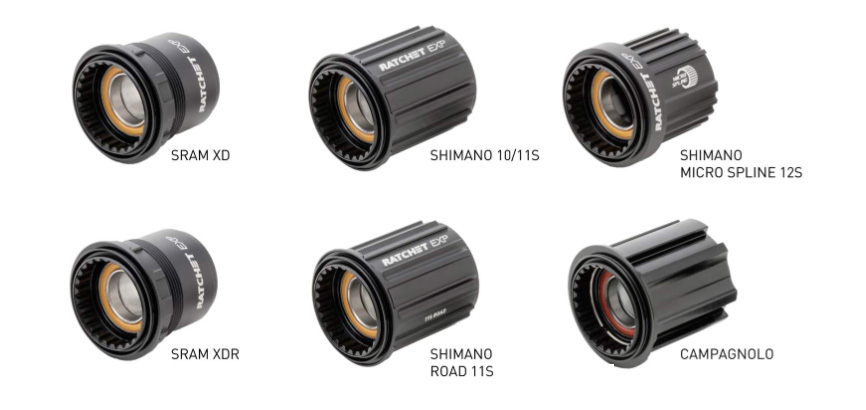
The freehub body is located on the right side (drive side) of the rear hub; it serves to mount the cassette—a key component of the drivetrain—and enables it to drive the rear wheel. Although most 11-speed freehub bodies are now backward-compatible, for older wheelsets, you must take care to ensure the freehub body is properly matched to the specific speed count and brand of your drivetrain.
Major freehub brands include Shimano, SRAM, Campagnolo, and others.
5. Braking System
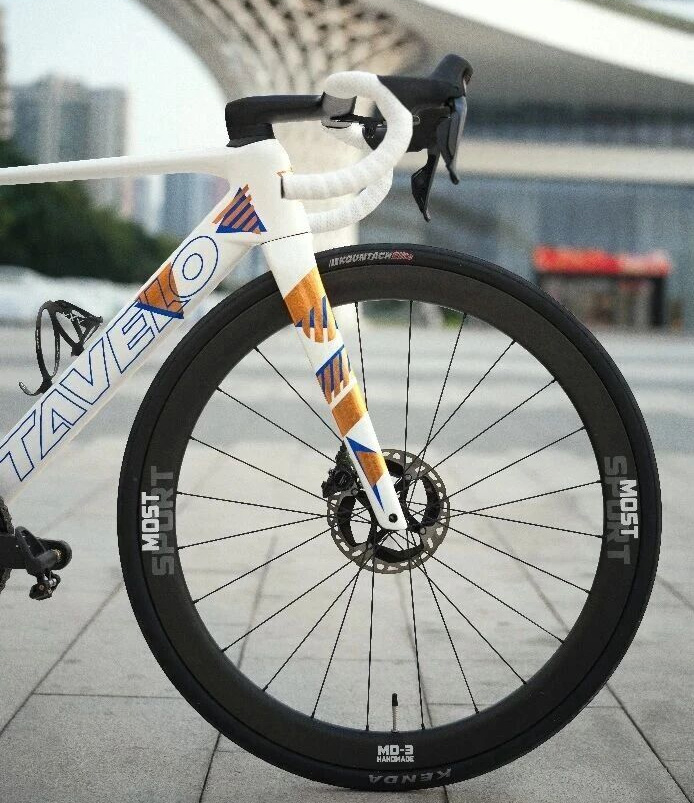
Disc Brake Advantages: Offers powerful stopping force and excellent heat dissipation, making it ideal for mountain stages that require frequent braking. For instance, Hunt's Aerodynamicist Disc wheelsets exhibit no brake fade during continuous descents. (Recommended)
Rim Brake Suitability: Lightweight rim brake wheelsets are well-suited for pure climbing scenarios; however, they require pairing with carbon fiber braking surfaces to optimize braking performance.
6. Rim Structure
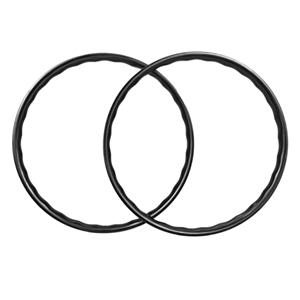
Crosswind Resistance Design: Wavy rims or S-shaped profiles reduce crosswind turbulence, enhancing stability at high speeds.
Rigidity Optimization: A 2:1 carbon fiber spoke lacing pattern increases lateral stiffness, making it ideal for out-of-the-saddle sprinting.
7. Tires
There are three types of road bike tires: clinchers, tubeless tires, and tubulars. Each type requires a specific type of rim.
Clinchers: These are tires that utilize a separate inner tube to hold air; they are the most common type of tire found on bicycles. Generally speaking, whenever a specific tire type is not explicitly mentioned, you can safely assume it is a clincher.
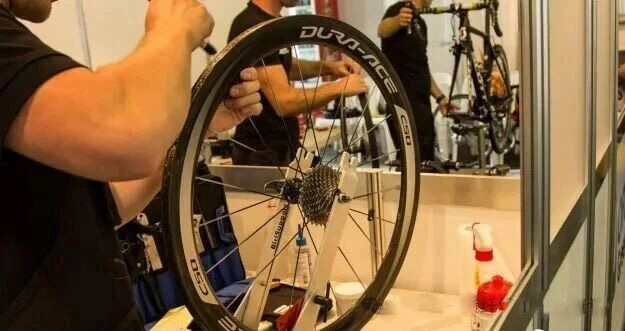
Tubular tires are nothing new; although they do feature an inner-tube structure, the tube is sewn directly into the tire casing, which is then glued onto the rim. With this in mind, it is easy to see why tubulars are best suited for racing: both the tire and the rim possess extremely low weight. However, should a puncture result in a large blowout, few average riders would be able to simply repair it on the road.
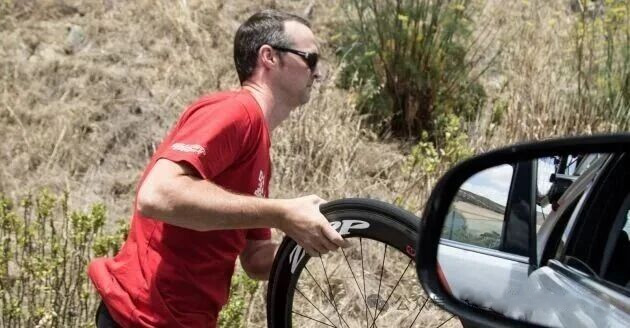
Tubeless Tires: A technology thoroughly proven in the automotive and mountain biking sectors, whose advantages—specifically a tubeless structure that reduces both tire weight and the internal friction between tire and tube during rotation—are increasingly being promoted by various brands for use on road bikes. Furthermore, tubeless wheelsets offer backward compatibility, allowing for the use of standard clincher tires; should a tubeless tire sustain a puncture too large for the sealant to seal, an inner tube can be inserted to allow the rider to continue riding.
II. Decision-Making Flowchart and Key Considerations
1. Decision-Making Flowchart: Define Scenario → Flat vs. Climbing Ratio → Rim Depth → Inner Rim Width (21–25mm) → Hub Sealing & Engagement Angle → Braking System → Brand & Budget → Final Selection. If you pursue weight reduction blindly, you risk compromising other performance attributes—or simply wasting your money. 2. Key Considerations: Tire Compatibility—Wide tires require wide rims; for instance, a 28c tire is best paired with a rim featuring an inner width of ≥21mm.
Spoke Maintenance—Carbon fiber spokes require specialized tools for replacement if they break; prioritize brands that provide spare spokes.
Test Riding—Prioritize brands that offer test ride opportunities to evaluate the wheelset's actual performance across various gradients and wind conditions.
By applying this systematic logic, you can effectively filter for carbon wheelsets that strike a balance between flat-road speed and climbing efficiency, ultimately identifying the optimal solution that harmonizes performance, budget, and durability.
TRIPS is always ready to supply you high quality carbon rims/wheels!