Rim Brakes or Disc Brakes? The Great Debate Over Road Bike Braking Systems
Within the road cycling community, the debate between rim brakes and disc brakes never ceases. Some argue that rim brakes reign supreme, while others view disc brakes as the inevitable progression of technology. Today, let's take a closer look at what exactly distinguishes these two braking systems.
Rim Brakes: A Classic Legacy
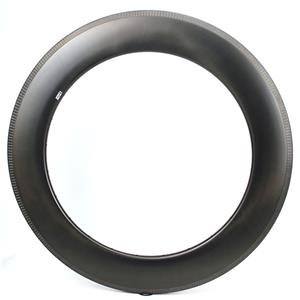
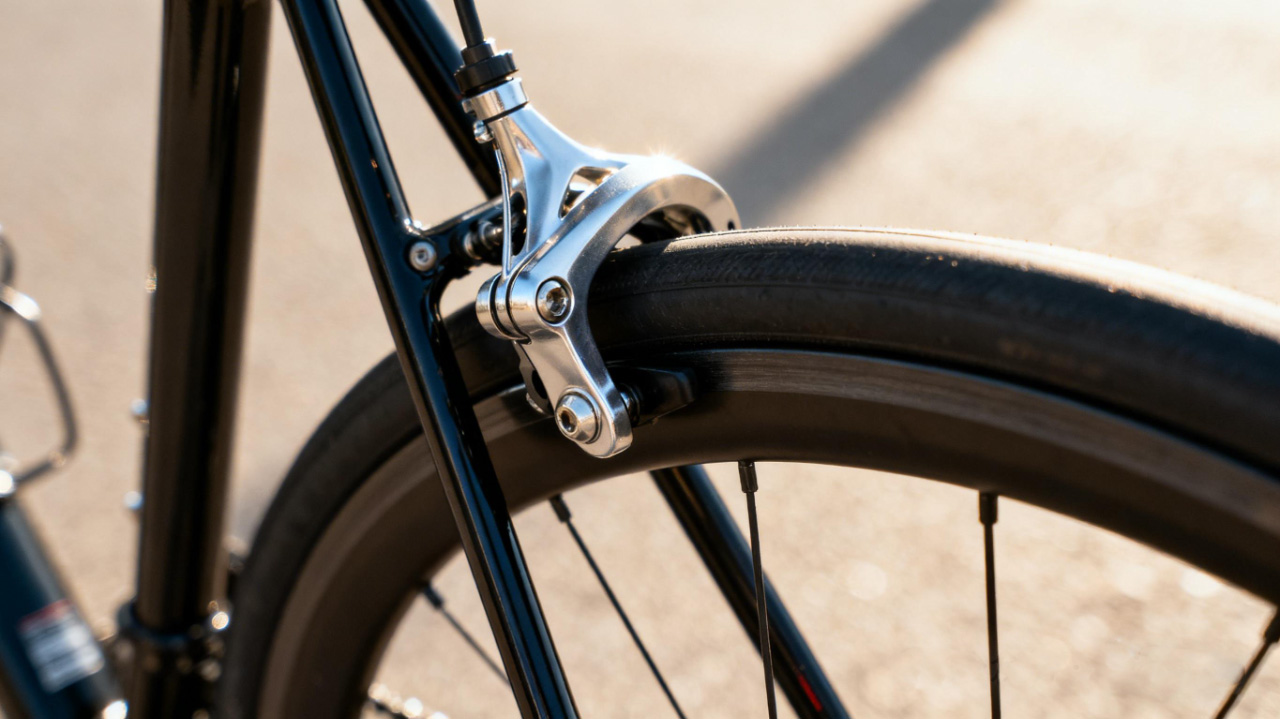
As the name suggests, rim brakes are a braking mechanism that operates by utilizing calipers to apply direct friction against the wheel rim. Having served cyclists for decades, this system is characterized by its simple structure and proven reliability. Its advantages are distinct: it is lightweight, easy to maintain, and affordable. A rim brake system weighs significantly less than a disc brake system—a feature that holds great appeal for riders obsessed with minimizing weight. Furthermore, maintenance is uncomplicated, allowing experienced riders to handle it themselves. However, rim brakes do have their drawbacks. In rainy or damp conditions, braking power diminishes noticeably; additionally, during long descents, the rim's braking surface heats up due to continuous friction, potentially increasing the risk of a tire blowout.
Disc Brakes: The Rising Star
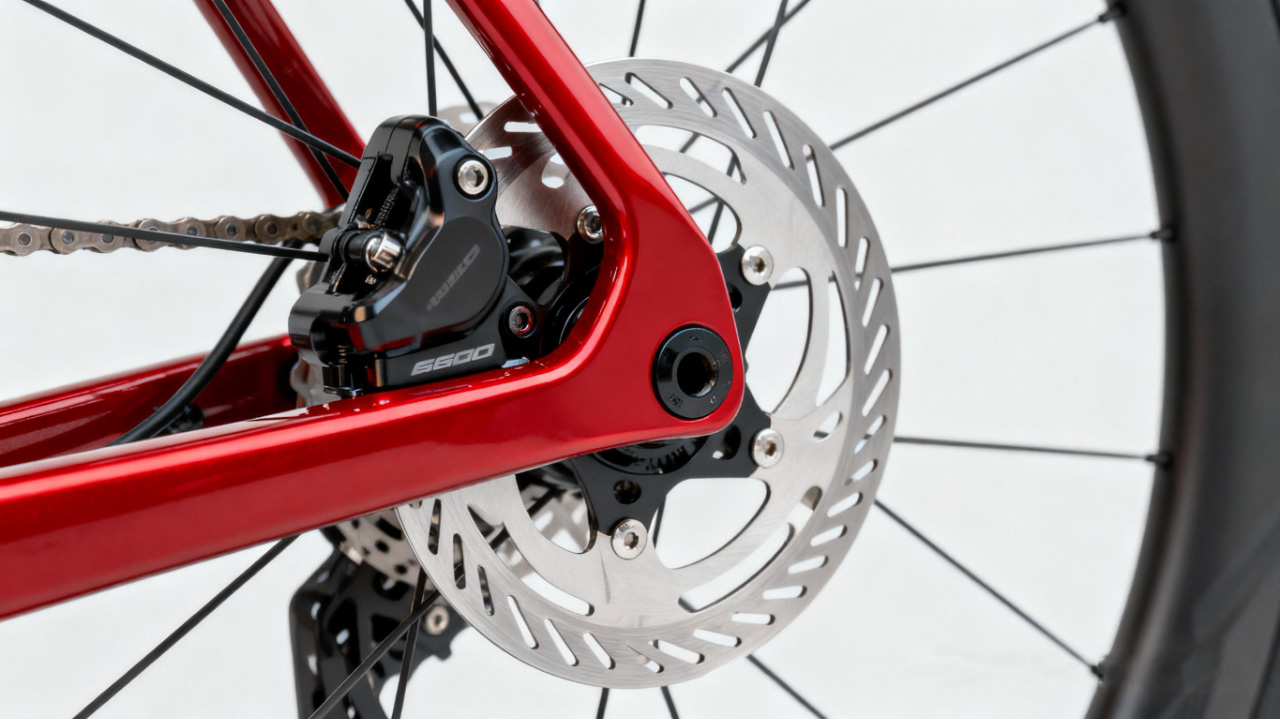
Disc brakes achieve braking by utilizing calipers to create friction against a rotor—a technology adapted from motorcycles and automobiles. Their advantages include: powerful stopping force that remains unaffected by weather conditions; the elimination of rim wear caused by braking, thereby extending the lifespan of the wheelset; superior heat dissipation, offering greater safety during long descents; and more controllable braking performance when cornering. However, disc brake systems are heavier, more expensive, and relatively more complex to maintain and adjust. While hydraulic disc brakes offer excellent tactile feedback, their maintenance requires a higher level of specialized expertise.
Which is the better fit for you?
In reality, there is no single "definitive answer"—only what works best for your specific needs. If you are a competitive cyclist who prioritizes extreme lightweighting and primarily rides in flat, dry environments, rim brakes might be an excellent choice. Conversely, if you frequently ride in mountainous terrain, need to tackle long descents, or live in a region prone to rain and humidity, the consistent braking performance of disc brakes will instill greater confidence. For beginners, disc brakes may be easier to master, as they offer more linear braking force—the harder you squeeze the levers, the stronger the braking effect you get.
Each Has Its Merits
Technological advancement is not merely about simple replacement, but rather about offering a wider range of choices. Rim brakes have not vanished, and disc brakes continue to undergo constant improvement. The disparity in weight between the two is narrowing, while ease of maintenance is on the rise. Ultimately, the choice of which braking system to adopt depends on your specific needs, budget, and riding environment. After all, the best option is the one that suits you best. As wheels keep turning and technology moves forward—whether rim or disc—any braking system that allows you to truly enjoy the pleasure of riding is, by definition, a good brake.