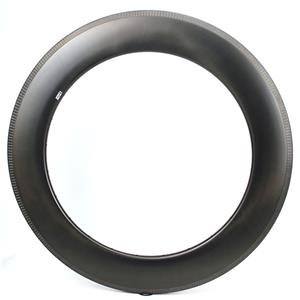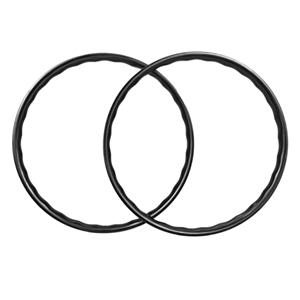
Why Choose Factory Direct Lightweight Carbon Fibre Rims For High-End Bicycle Product Upgrades?
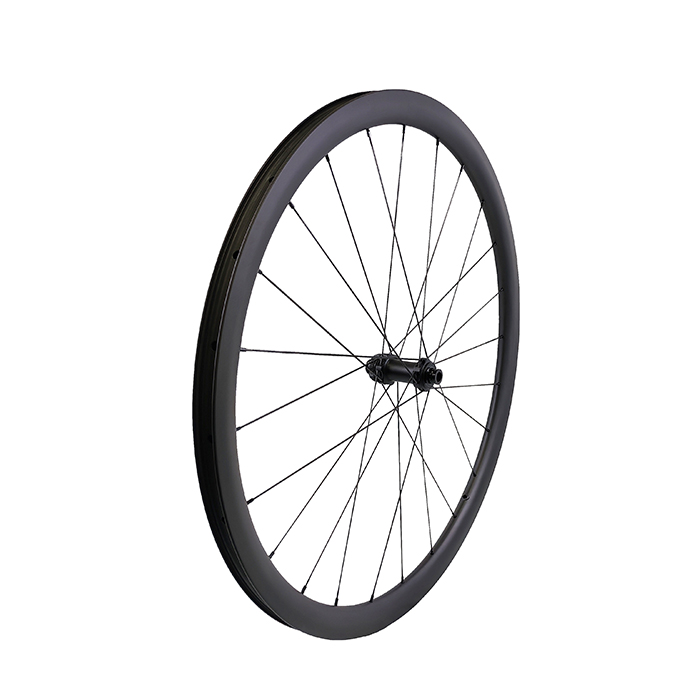
When a high-end bicycle brand wants to upgrade the riding performance of an existing model, changing the wheel system is often one of the most practical starting points.
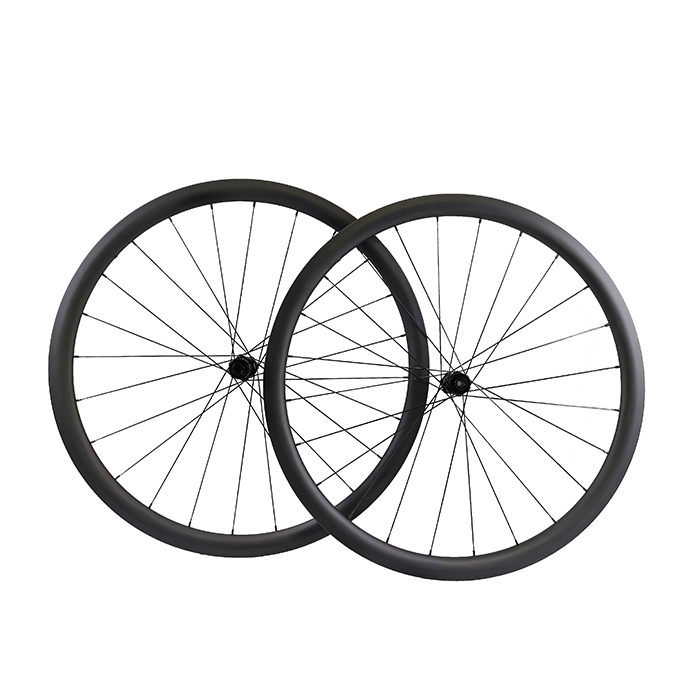
Compared with replacing an entire bicycle frame or redesigning multiple components, upgrading to lightweight carbon fibre rims can directly influence wheel weight, acceleration response, climbing performance, stiffness, aerodynamics, and the overall positioning of the bicycle.
But for bicycle brands, distributors, and OEM buyers, one question remains:
Should you purchase lightweight carbon fibre rims through a trading company, or work directly with a carbon rim manufacturer?
For high-end bicycle product upgrades, factory-direct sourcing can provide advantages beyond price. Direct communication with the manufacturer allows buyers to discuss rim dimensions, carbon layup, internal width, rim depth, tire compatibility, testing requirements, surface finish, branding, wheel assembly, and production consistency with the same technical team.
For brands looking to build a differentiated premium bicycle product, this can make the difference between simply replacing a component and developing a genuinely upgraded wheel system.
1. The User Problem: Why Upgrade to Lightweight Carbon Fibre Rims?
A bicycle can use a premium frame, high-end drivetrain, and performance tires, yet still lose part of its riding potential if the wheel system is unnecessarily heavy or poorly matched to the application.
This is particularly noticeable when riders care about:
Faster acceleration
Better climbing response
Lower overall bicycle weight
More responsive handling
Improved aerodynamic performance
Premium wheelset appearance
Higher-end product positioning
The wheel is a rotating component, so its weight and distribution can affect how the bicycle responds when the rider accelerates, climbs, exits a corner, or repeatedly changes speed.
However, reducing rim weight is not a simple matter of removing carbon material.
A high-quality lightweight rim needs to maintain a suitable balance between:
Weight + stiffness + impact resistance + durability + aerodynamics + tire compatibility.
This is why high-end bicycle manufacturers should evaluate the engineering behind the rim rather than simply comparing the lowest advertised weight.
Why Factory Direct Matters
When purchasing through multiple intermediaries, technical communication can become fragmented.
A bicycle brand may specify:
“We need a 700C lightweight carbon road rim.”
But this information alone is insufficient for engineering development.
The manufacturer also needs to understand:
Target rim depth
Internal rim width
External width
Tire size
Tubeless requirement
Brake type
Rider weight range
Target wheel weight
Spoke-hole configuration
Hub compatibility
Intended riding conditions
Product positioning
Expected annual volume
Working directly with a manufacturer makes this technical communication much more efficient.
2. Product Selection: Which Carbon Rim Is Right for a High-End Upgrade?
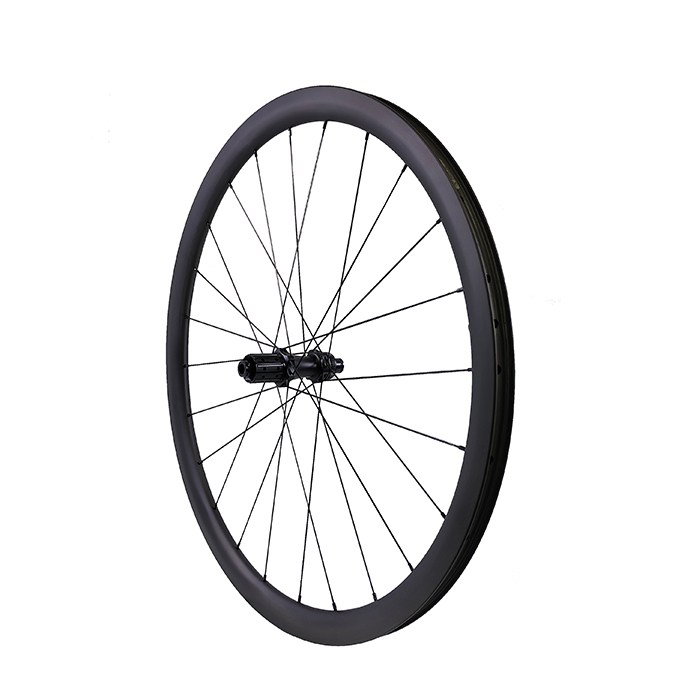
There is no universal “best” carbon rim.
The correct product depends on the bicycle category and the performance objective.
2.1 Lightweight Climbing Carbon Rims
For climbing-oriented road bikes, low rim weight is usually a major priority.
A relatively shallow profile can be developed around:
Low weight
Fast acceleration response
Climbing efficiency
Responsive handling
Typical design direction:
| Parameter | Indicative Range |
|---|---|
| Wheel size | 700C |
| Rim depth | 25–35 mm |
| Application | Climbing road bikes |
| Main priority | Low weight |
| Tire system | Clincher / Tubeless Ready depending on design |
| Brake system | Disc brake or other specified configuration |
The actual weight should be determined by the carbon layup, rim width, structural design, and required load rating rather than rim depth alone.
2.2 All-Round Lightweight Carbon Road Rims
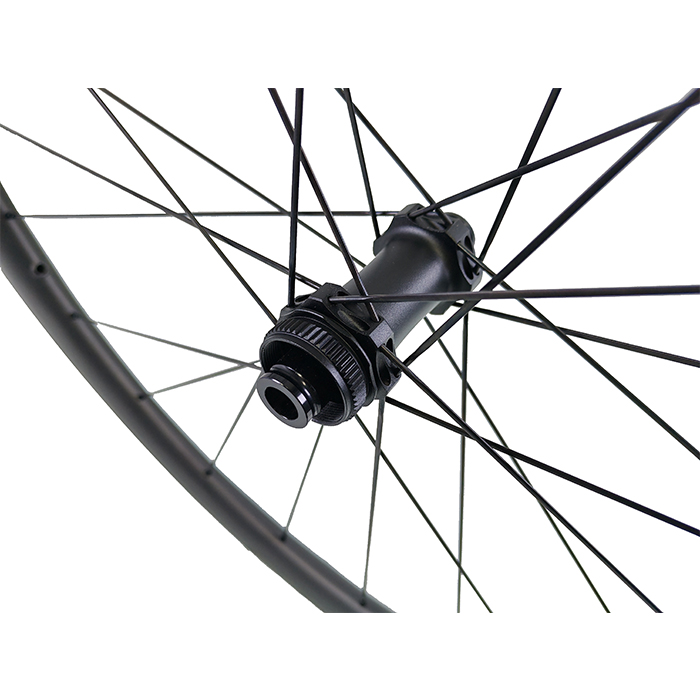
For a premium road bicycle intended for multiple riding conditions, a medium-depth rim can offer a more balanced solution.
Typical design direction:
Moderate weight
Improved aerodynamic efficiency
Stable handling
Suitable stiffness
Broad application range
Indicative rim depth:
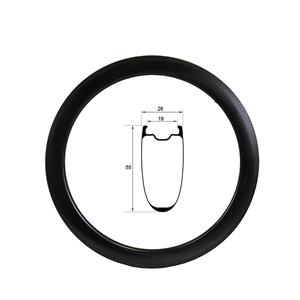
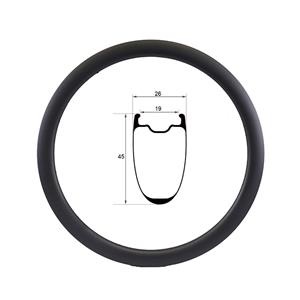
40–55 mm
This category can be particularly useful for brands developing a flagship road wheelset that needs to perform across climbing, flat roads, and long-distance riding.
2.3 Deep-Section Carbon Rims
For high-speed road applications, deeper rims can be considered when aerodynamic performance is a major product objective.
Typical applications include:
Road racing
High-speed road bicycles
Aero-focused wheelsets
Premium performance upgrades
Indicative rim depth:
55–65 mm or deeper
However, deeper rims generally require a different structural design and can have greater crosswind sensitivity. Therefore, a high-end product should not be designed around rim depth alone.
The key question is:
How does the rim profile achieve the intended aerodynamic and structural performance without creating an unnecessary weight penalty?
3. Technical Parameters: What Should Buyers Evaluate?
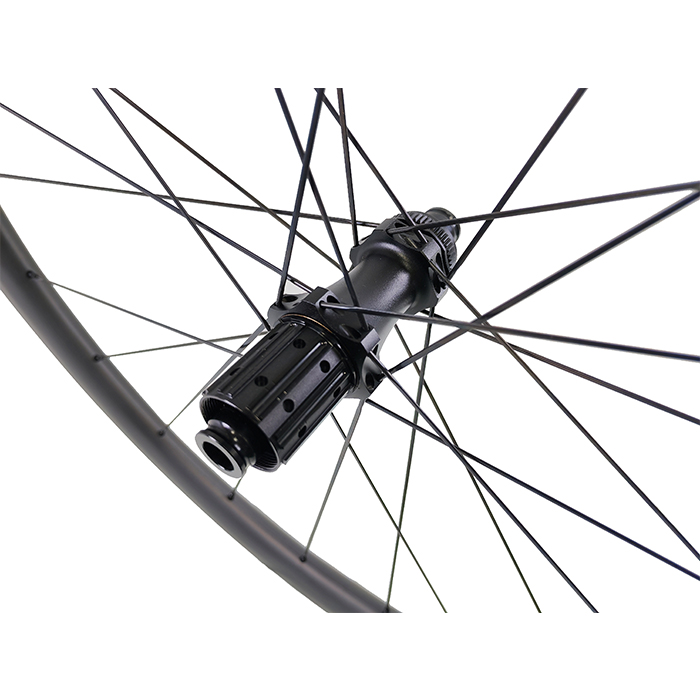
When sourcing lightweight carbon fibre rims, the technical specification should go far beyond “how many grams?”
3.1 Rim Weight
Weight remains important, but the target should be established according to the application.
For example:
Climbing wheel → prioritize lower rotating mass
All-round road wheel → balance weight and aerodynamics
Aero racing wheel → accept some additional weight for aerodynamic benefits
Gravel/XC wheel → give greater importance to impact resistance and durability
The lowest possible weight is not automatically the best commercial specification.
3.2 Carbon Layup
Carbon fiber allows engineers to control stiffness and strength through fiber orientation, layer arrangement, reinforcement, and local structural design.
Important areas include:
Spoke holes
Valve area
Rim bed
Sidewalls
Bead area
Nipple seats
High-load zones
A professional factory should be able to explain why additional reinforcement is required in particular areas instead of simply increasing material throughout the entire rim.
3.3 Internal Rim Width
Internal width directly affects tire compatibility and the final wheel-tire system.
A wider rim may be appropriate for wider modern road, gravel, or MTB tires, while a narrower configuration may be preferred for other applications.
Before placing an order, buyers should confirm:
Recommended tire width
Tubeless compatibility
Maximum pressure
Hooked or hookless configuration
Rim tape requirements
Tire installation requirements
3.4 Rim Depth
Rim depth affects the design balance between weight, aerodynamic performance, structural requirements, and handling.
For a product portfolio, offering multiple depths can allow a bicycle brand to create separate wheelsets for:
Climbing
Endurance
Racing
Aero
Gravel
XC MTB
This is more commercially useful than trying to use one carbon rim specification for every bicycle.
3.5 Testing and Quality Control
For high-end products, structural testing should be part of the purchasing discussion.
ISO 4210-7:2023 specifies wheel and rim test methods associated with ISO 4210-2, while ISO 4210-2:2023 sets safety and performance requirements covering bicycle design, assembly, and testing, including racing and mountain bicycles.
For a buyer, the practical question is not simply:
“Does the factory mention ISO 4210?”
Instead, ask:
Which tests are performed?
Are test procedures documented?
How are samples selected?
What happens when a sample fails?
Is production consistency monitored?
Are dimensions and weight checked batch by batch?
A professional carbon rim supplier should have a repeatable quality-control process rather than relying only on final visual inspection.
4. Application Scenarios: Where Do Lightweight Carbon Fibre Rims Create the Most Value?
Road Racing
For racing bicycles, the wheel system needs to balance:
Weight
Aerodynamics
Stiffness
Handling
Durability
A medium or deep carbon rim may be selected depending on the intended race conditions and product positioning.
Lightweight Climbing Bikes
Climbing-focused models benefit from a wheelset designed around low mass and responsive acceleration.
For this application, a lightweight shallow-depth carbon rim can be an important part of the overall bicycle weight-reduction strategy.
Premium Endurance Road Bikes
Endurance bikes require a different balance.
The wheel needs to remain lightweight enough for responsive riding while providing appropriate durability for long-distance use.
A medium-depth carbon rim can therefore be a practical solution.
Gravel Bicycles
For gravel products, buyers should pay closer attention to:
Internal width
Tire compatibility
Tubeless configuration
Impact resistance
Load rating
Surface conditions
The objective should be a lightweight wheel that remains reliable outside smooth road conditions.
Cross-Country MTB
For XC applications, lightweight carbon rims can help reduce wheel mass while maintaining the structural characteristics required for off-road riding.
However, the target specification should be based on rider weight, terrain, tire pressure, and intended riding intensity.
5. Purchasing Decision: Why Buy Directly From the Factory?
For high-end bicycle upgrades, factory-direct sourcing can provide several advantages.
5.1 Better Cost Structure
Removing unnecessary trading layers can improve the cost structure between the manufacturer and the bicycle brand.
But factory-direct purchasing should not be interpreted simply as:
“Buy cheaper.”
The more important benefit is that the buyer can allocate more of the product budget toward:
Better carbon materials
Better engineering
Testing
Quality control
Custom tooling
Wheel assembly
Product development
5.2 Faster Technical Communication
If a buyer wants to change:
45 mm rim → 50 mm rim
or:
25 mm internal width → 28 mm internal width
direct communication with the engineering team can reduce unnecessary communication between multiple intermediaries.
5.3 Better OEM/ODM Development
For private-label bicycle brands, the factory can potentially support:
Custom logo
Custom graphics
Rim specifications
Rim depth
Internal width
Carbon layup optimization
Hub configuration
Spoke selection
Wheelset assembly
Packaging requirements
This gives the buyer more control over the final product.
6. What Should a Buyer Check Before Ordering?
Before choosing a carbon fibre rims factory, evaluate the supplier using a structured checklist.
Factory Capability
Ask:
Does the company manufacture carbon rims in-house?
How long has it been producing carbon bicycle components?
Does it have dedicated engineering staff?
What is its monthly production capacity?
Can it support both samples and bulk production?
Product Capability
Confirm:
Wheel size
Rim depth
Internal width
External width
Rim weight
Tire compatibility
Tubeless compatibility
Brake configuration
Rider weight recommendation
Surface finish
Quality Capability
Request information about:
Raw-material control
Molding process
Weight inspection
Dimensional inspection
Wheel truing
Structural testing
Final inspection
Packaging
Commercial Capability
Also confirm:
MOQ
Sample lead time
Bulk production lead time
OEM/ODM capability
Payment terms
Packaging
Shipping options
After-sales support
This approach helps buyers compare factories based on total purchasing value rather than quotation price alone.
7. Factory Solution: Why Work With Xiamen Trips Sporting Goods Co.,Ltd?
Xiamen Trips Sporting Goods Co.,Ltd is a comprehensive technology-oriented manufacturing enterprise integrating the R&D, design, production, manufacturing, sales, and service of carbon fiber and various composite-material products.
The company focuses on carbon bicycle components and wheel-related solutions for international bicycle customers.
For a high-end bicycle brand, this integrated manufacturing model can support the product development process from initial specification discussions to production and finished wheelset delivery.
Carbon Rim Manufacturing
The factory's product development can be organized around different performance requirements, including:
Lightweight road rims
Carbon racing rims
Deep-section carbon rims
Tubeless-ready carbon rims
MTB carbon rims
Gravel carbon rims
Custom carbon bicycle rims
Complete Wheelset Support
For customers that do not want to source rims, hubs, spokes, and wheel building separately, a complete wheelset solution can simplify procurement.
The wheel can be developed around:
Carbon rim + hub + spokes + tension control + truing + final inspection
This reduces the coordination burden for bicycle brands and distributors.
OEM/ODM Development
For brands launching a new high-end bicycle product, Xiamen Trips Sporting Goods Co.,Ltd can work from the buyer's target specifications rather than simply supplying a standard catalog item.
A development project can begin with:
Target bicycle → performance objective → rim specification → sample → testing → wheelset evaluation → production
This approach is particularly suitable for private-label brands and distributors that want their wheelsets to have a clear product identity.
8. How to Build a High-End Carbon Wheel Product Line
Instead of developing only one wheel specification, bicycle brands can create a product matrix.
| Product Positioning | Rim Depth | Primary Objective |
|---|---|---|
| Climbing | 25–35 mm | Low weight and responsiveness |
| All-round road | 40–55 mm | Balanced performance |
| Aero road | 55–65+ mm | Aerodynamic focus |
| Gravel | Application-specific | Width, durability, tubeless compatibility |
| XC MTB | Application-specific | Low weight + off-road durability |
The exact dimensions should be finalized according to the complete wheel design and intended use.
This product-matrix strategy allows brands to cover multiple customer segments while maintaining a consistent manufacturing relationship.
9. Conversion Path: From Product Inquiry to Bulk Order
A professional sourcing process does not need to start with a large purchase order.
A better process is:
Step 1 — Define the Bicycle
Tell the manufacturer:
Road
Gravel
MTB
Racing
Endurance
Climbing
Step 2 — Define the Target Performance
For example:
“We need a lightweight 700C road wheel for climbing-oriented bicycles.”
or:
“We need a 50 mm carbon wheelset for an all-round performance road bike.”
Step 3 — Define Technical Parameters
Provide:
Rim depth
Internal width
Target weight
Tire size
Tubeless requirement
Hub
Spokes
Brake type
Rider weight
Branding
Step 4 — Sample Development
The factory develops or recommends the appropriate specification and provides samples for evaluation.
Step 5 — Testing and Wheel Building
The sample can then be evaluated for:
Weight
Appearance
Runout
Wheel tension
Tire compatibility
Riding characteristics
Structural requirements
Step 6 — Confirm Production
After the sample is approved, the buyer can finalize:
Quantity
Packaging
Branding
Delivery schedule
Quality requirements
Step 7 — Bulk Production
The factory proceeds with production under the agreed specification and quality requirements.
This process gives buyers greater control over both product performance and purchasing risk.
10. FAQ About Factory Direct Lightweight Carbon Fibre Rims
Are factory-direct carbon rims suitable for high-end bicycle brands?
Yes. Factory-direct sourcing is particularly useful when the buyer requires OEM/ODM development, custom specifications, private labeling, or complete wheelset solutions.
Are lighter carbon rims always better?
No. A lower weight does not automatically mean better overall performance. Rim stiffness, structural durability, aerodynamic characteristics, tire compatibility, and rider requirements must also be considered.
What rim depth should I choose?
It depends on the application. Shallow rims are generally more suitable for weight-focused climbing products, while medium and deeper profiles can provide different balances between weight and aerodynamic performance.
Can a carbon rim be customized?
Depending on the factory's capabilities, buyers may be able to customize rim depth, internal width, graphics, surface finish, hub configuration, spokes, and other wheelset specifications.
What information should I provide when requesting a quotation?
At minimum, provide the wheel size, rim depth, internal width, target weight, tire size, brake type, tubeless requirement, estimated order quantity, and branding requirements.
How can I compare two carbon rim factories?
Do not compare only unit price. Compare material quality, engineering capability, testing procedures, production consistency, customization capability, MOQ, lead time, wheel-building capability, communication, and after-sales support.
Conclusion: Choose the Factory, Not Just the Rim
For high-end bicycle product upgrades, lightweight carbon fibre rims can provide a practical route toward improving the overall wheel system.
But the real value does not come from reducing a few grams on a specification sheet.
The better approach is to develop a rim around the actual bicycle:
Application → target performance → carbon structure → rim geometry → tire system → testing → wheel building → production consistency.
For bicycle brands, distributors, and OEM customers, working directly with Xiamen Trips Sporting Goods Co.,Ltd can make this process more efficient by connecting product requirements with manufacturing, engineering, quality control, and wheelset production.
If you are planning a new high-end carbon wheelset or upgrading an existing bicycle product, send your target wheel size, rim depth, internal width, target weight, tire specification, estimated order quantity, and OEM requirements to Trips for a technical recommendation and factory quotation.