Is 88mm Deep Section Carbon Tubular Rim the Best Aero Choice for Triathlon Rear Wheels?
For triathlon athletes, every equipment decision should support one objective: maintaining speed efficiently throughout the cycling leg without compromising control, reliability, or race-day preparation.
When choosing a rear wheel for a time trial or long-distance triathlon, an 88mm deep-section carbon rim is an attractive option. Its tall aerodynamic profile is designed to manage airflow around the wheel, making it particularly relevant to fast, relatively flat courses where riders spend long periods maintaining a steady pace.
But does an 88mm profile always outperform a 60mm or 80mm rim? And is a carbon tubular rim still the right choice when clincher and tubeless systems are widely available?
For triathlon athletes, bicycle distributors, and team procurement managers, the answer depends on course conditions, tire preferences, equipment compatibility, and the intended performance target.
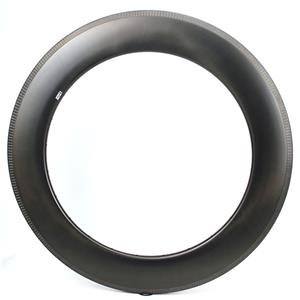
Xiamen Trips Sporting Goods Co.,Ltd supplies 88mm carbon rim options designed for time-trial, triathlon, and other performance-oriented cycling applications. This guide explains the technical considerations behind selecting an 88mm carbon tubular rim and how to evaluate its suitability for your next wheelset project.
1. The User Problem: Can an 88mm Rear Rim Improve Triathlon Performance?
In a non-drafting triathlon, the athlete generally spends much of the cycling leg riding independently rather than sheltering in a large group. Aerodynamic drag therefore becomes an important consideration, particularly at sustained race speeds.
A deeper rim changes the shape of the wheel's interaction with the airflow. Depending on its cross-sectional profile, tire interface, and yaw angle, it can reduce aerodynamic drag compared with a shallower design.
For athletes, the potential benefits include:
Improved aerodynamic efficiency at race speeds
A wheel profile designed for sustained high-speed riding
A performance-oriented appearance for time-trial bicycles
A specialized rear-wheel setup for flat and rolling courses
Greater flexibility when building a dedicated triathlon wheelset
However, rim depth alone cannot establish how much time a rider will save. The complete wheel design, tire choice, rider position, wind conditions, and actual riding speed all influence the result.
Why Focus on the Rear Wheel?
The front and rear wheels have different roles in bicycle handling.
The front wheel directly influences steering, so changes in crosswind forces can be especially noticeable through the handlebars. The rear wheel generally has less direct influence on steering response, which is one reason triathlon and time-trial setups may combine a relatively manageable front-wheel profile with a deeper rear wheel.
An 88mm carbon rim can therefore be a practical option for riders seeking a more aerodynamic rear-wheel configuration without automatically choosing the same depth at the front.
That does not make the rear wheel immune to crosswinds. Riders still need to consider lateral forces, gusts, frame geometry, wheel design, and course exposure.
2. Product Selection: Why Consider an 88mm Carbon Tubular Rim?
The right wheel depends on the race conditions and the rider's requirements. Before choosing an 88mm profile, buyers should understand both its aerodynamic purpose and its tire-interface design.
2.1 The Aerodynamic Role of an 88mm Profile
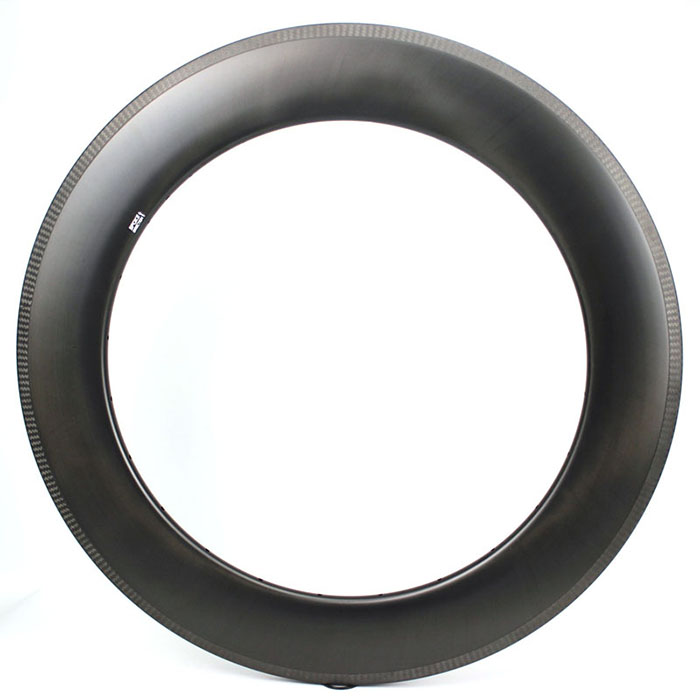
An 88mm rim belongs to the deep-section category. Its tall profile provides more surface area for shaping airflow than a shallow rim, although the actual aerodynamic result depends on the complete cross-section and tire-rim combination.
It is most relevant to:
Flat or gently rolling triathlon courses
Time-trial applications
Performance-focused rear-wheel upgrades
Athletes who maintain relatively high cycling speeds
Teams developing specialized racing equipment
A deep rim is not automatically the fastest option in every condition. A design that performs well at one yaw angle may behave differently when the wind direction changes.
For this reason, buyers should evaluate aerodynamic evidence for the actual rim and tire combination rather than relying exclusively on rim depth.
2.2 What Makes a Carbon Tubular Rim Different?
A tubular tire is constructed as a tire casing that encloses the inner tube, with the tire attached to a compatible tubular rim using an approved adhesive or mounting system.
This differs from a clincher or tubeless-ready rim, where the tire bead engages with the rim's bead-seat structure.
A tubular system may appeal to riders who already use tubular race equipment and have established tire installation and maintenance procedures.
Potential advantages include:
Compatibility with dedicated tubular tires
A traditional racing-wheel construction
Flexibility for teams that already maintain tubular equipment
A rim design dedicated to a particular tire interface
However, tubular construction is not automatically lighter, faster, or safer than every clincher or tubeless system. Total wheel weight, tire rolling resistance, puncture management, installation quality, and serviceability depend on the complete setup.
For buyers, the key is to choose a tire system that matches the intended race program and maintenance capability.
2.3 Is Tubular the Right Choice for Your Team?
A tubular rim may be appropriate when a team already has compatible tires, trained mechanics, and a clear race-day service procedure.
For retailers and bicycle brands serving a broader customer base, clincher or tubeless-ready alternatives may be more convenient because they fit different purchasing and maintenance preferences.
Before placing an order, confirm the exact product configuration. An 88mm rim may be available in multiple variants, and the tubular version should not be confused with a clincher or tubeless-ready model.
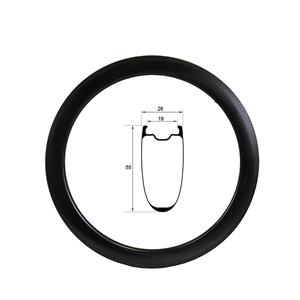
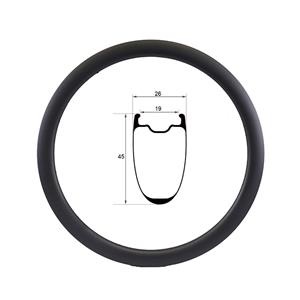
3. Technical Parameters: Comparing 60mm, 80mm, and 88mm Carbon Rims
Rim depth should be considered alongside weight, width, tire compatibility, handling, and structural requirements.
The following comparison is a practical selection guide, not a universal ranking of aerodynamic performance.
| Parameter | 60mm Carbon Rim | 80mm Carbon Rim | 88mm Carbon Rim |
|---|---|---|---|
| Profile | Deep section | Very deep section | Very deep section |
| Main design objective | Balance of aerodynamics and versatility | Stronger focus on aerodynamic performance | Specialized deep-section aerodynamic setup |
| Typical application | Mixed road and triathlon courses | Fast triathlon and time-trial courses | Dedicated performance-oriented rear wheels |
| Crosswind consideration | Still requires evaluation | Greater attention to wind conditions | Greater attention to wind conditions |
| Weight considerations | Depends on construction | Depends on construction | Depends on construction |
| Best selection approach | Balance performance and handling | Prioritize sustained-speed use | Match to course, tire system, and rider requirements |
3.1 Why Not Simply Choose 90mm?
An 88mm rim and a 90mm rim are very close in nominal depth. A difference of only 2mm does not, by itself, establish a meaningful performance advantage.
The more important variables are:
Cross-sectional shape
Maximum and minimum external width
Tire-to-rim transition
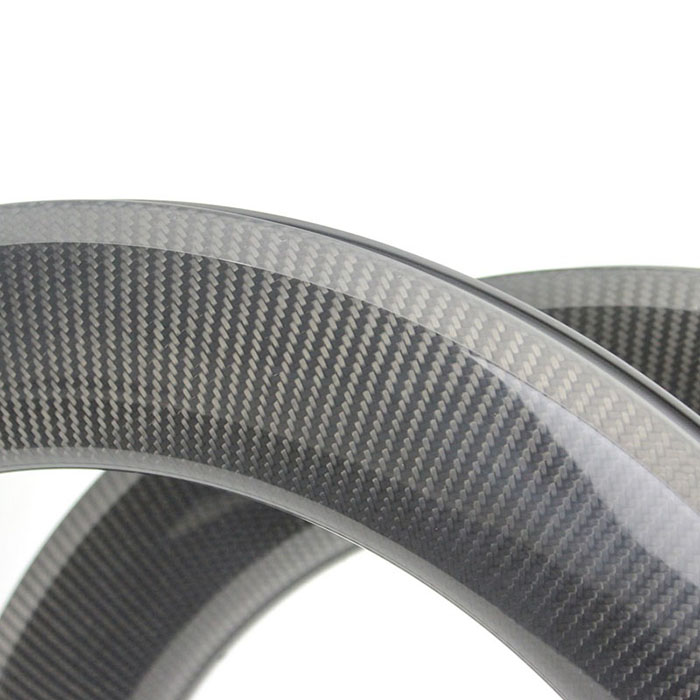
Carbon layup
Rim weight
Structural stiffness
Crosswind behavior
Manufacturing tolerances
A well-developed 88mm profile can be a better match for a particular wheel system than a nominally deeper 90mm design. Conversely, a properly designed 90mm rim may suit another application.
The specification sheet should therefore be evaluated as a complete engineering package.
3.2 Published Specifications for the Trips 88mm Carbon Rim
The 88mm Carbon Rims Aero Triathlon Rear Wheel Carbon Tubular Rim product listing from Trips provides the following specifications for its tubular variants. Buyers should confirm the current configuration and applicable limits with the factory before ordering.
| Specification | Published Product Information |
|---|---|
| Wheel size | 700C |
| Rim depth | 88mm |
| Tubular rim weight | Approximately 550–560g, depending on variant |
| Listed inner / outer width | 19mm / 26mm |
| Brake configurations | Product listing includes rim-brake and disc-brake variants |
| Maximum rider weight | Listed as 120kg / 264lb |
| Maximum tire pressure | Listed as 120psi / 8.27bar |
| Maximum spoke tension | Listed as 130kgf |
| Customization | Multiple surface finishes and logo options are listed |
Source: Trips 88mm Carbon Rim Product Page.
Important: The listed 550–560g figure refers to the rim, not the complete rear wheel. Actual finished-wheel weight depends on the hub, spokes, nipples, and assembly configuration. Maximum pressure must also comply with the limits of the tire, rim, and complete wheel system; never assume that every tire is suitable for the maximum pressure shown on a rim specification sheet.
3.3 Carbon Layup and Structural Strength
A deep carbon rim must maintain structural integrity around the rim bed, sidewalls, spoke holes, and other load-bearing areas.
The engineering objective is not simply to use more carbon fiber. It is to place reinforcement where it is required while controlling weight and maintaining dimensional consistency.
Buyers should ask about:
Carbon fiber material and layup design
Reinforcement around spoke holes
Rim-bed and sidewall construction
Molding and curing process control
Weight and dimensional tolerances
Spoke-tension limits
Impact and fatigue testing
Inspection procedures between production batches
For high-performance triathlon products, lightweight construction and structural reliability need to be evaluated together.
4. Crosswind Stability: Is an 88mm Rear Wheel Difficult to Control?
Crosswind stability is one of the most important considerations when selecting a deep-section wheel.
A deep rim presents a different surface to the wind than a shallow rim. Depending on wind speed, wind direction, rim shape, and tire-rim interaction, it may experience greater lateral force or changes in steering-related aerodynamic moments.
The practical effect is not determined by rim depth alone.
4.1 Why the Rear Wheel Is Different From the Front
A crosswind acting on the front wheel can create steering torque that the rider feels directly. The rear wheel can also experience lateral force, but its influence on steering is different because it is not the primary steering wheel.
This is why some performance setups use a shallower front wheel and a deeper rear wheel.
Nevertheless, an 88mm rear wheel should not be described as completely unaffected by wind. Strong gusts, exposed coastal roads, bridges, and rapid changes in wind direction can still influence bicycle stability.
4.2 How Should Riders Evaluate Wind Conditions?
Before choosing an 88mm rear rim, consider:
Whether the course is exposed or sheltered
Whether crosswinds are frequent or unpredictable
The length of exposed straight sections
The rider's experience with deep-section wheels
The bicycle's frame and tire configuration
The handling characteristics of the complete wheelset
For a flat, fast course with manageable wind conditions, an 88mm rear rim may be a sensible performance option.
For a mountainous course, a highly exposed route, or a rider who prioritizes versatile handling, a shallower option may be more appropriate.
4.3 What About a Disc Rear Wheel?
For some non-drafting triathlon and time-trial events, a rear disc wheel is another option. Its aerodynamic behavior differs from that of a deep spoked rim, so the two should not be treated as interchangeable.
Event regulations, wind conditions, handling requirements, and budget all affect the choice.
A deep-section spoked rim such as an 88mm carbon tubular rim offers an alternative for riders who want a deep profile without selecting a full disc wheel.
5. Application Scenarios: Who Should Choose an 88mm Carbon Rim?
Triathlon Athletes
An 88mm carbon tubular rim may suit athletes who:
Race on flat or gently rolling courses
Maintain relatively high speeds
Use a compatible tubular tire system
Want a dedicated rear wheel for competition
Have tested their wheel setup before race day
The choice should be based on the athlete's actual race conditions rather than the assumption that the deepest rim is always the fastest.
Bicycle Distributors and Retailers
For distributors, an 88mm carbon rim can serve as a specialist product within a broader wheel portfolio.
A practical product range might include:
60mm rims for versatile performance applications
80mm rims for deeper aerodynamic positioning
88mm rims for specialized triathlon and time-trial rear wheels
Offering multiple depths allows retailers to match the product to different customer needs instead of selling a single profile to every rider.
Triathlon Teams and OEM Bicycle Brands
Teams and brands may need more control over rim configuration, branding, wheel assembly, and repeat-order consistency.
Working directly with a manufacturer can help coordinate:
Rim specifications
Tubular or clincher configuration
Brake-system requirements
Hub and spoke selection
Logo and surface finish
Sample evaluation
Bulk-order quality requirements
For these buyers, the ability to reproduce an approved specification is just as important as the initial product design.
6. Purchasing Decision: What Should Buyers Ask Before Ordering?
Before selecting an 88mm carbon rims supplier, evaluate the complete product and the manufacturer's process.
Product Compatibility
Confirm:
Is the rim specifically designed for tubular tires?
Which tire sizes are recommended?
Is the rim compatible with the intended brake system?
What are the internal and external widths?
What are the maximum tire pressure and rider-weight limits?
Are the limits consistent with the selected tire and complete wheel system?
Quality and Testing
Ask the manufacturer to explain its inspection and testing procedures.
ISO 4210-7:2023 specifies wheel and rim test methods associated with ISO 4210-2. Buyers can use the standard as a reference when discussing the supplier's testing documentation and applicable safety requirements. See the official ISO 4210-7:2023 standard.
Useful questions include:
Which structural tests are performed?
Are test reports available for the relevant model?
How are rim weight and dimensions checked?
How are spoke-hole integrity and spoke-tension limits controlled?
How is production consistency monitored?
What inspection records are retained?
Do not assume that mentioning ISO 4210 means a product has received a formal ISO certification. Ask for the actual supporting documentation and clarify the scope of any claim.
Aerodynamic Validation
If a supplier promotes a rim as wind-tunnel optimized, ask for evidence relevant to the product being purchased.
Useful supporting information may include:
Wind-tunnel test reports
The wheel and tire combination used during testing
Test speeds and yaw-angle conditions
Comparisons with a defined reference wheel
CFD simulation results and their validation method
A deep profile is an aerodynamic design feature, but it is not proof of a particular watt saving or time advantage. Buyers should avoid relying on unqualified performance claims.
Commercial Terms
For distributors and team procurement, also confirm:
Minimum order quantity
Sample availability
Sample and bulk lead times
Branding options
Packaging requirements
Warranty terms
Spare-part availability
Shipping arrangements
After-sales support
A reliable supplier should provide clear answers across technical, quality, and commercial requirements.
7. Factory Solution: How Xiamen Trips Sporting Goods Co.,Ltd Supports Carbon Wheel Development
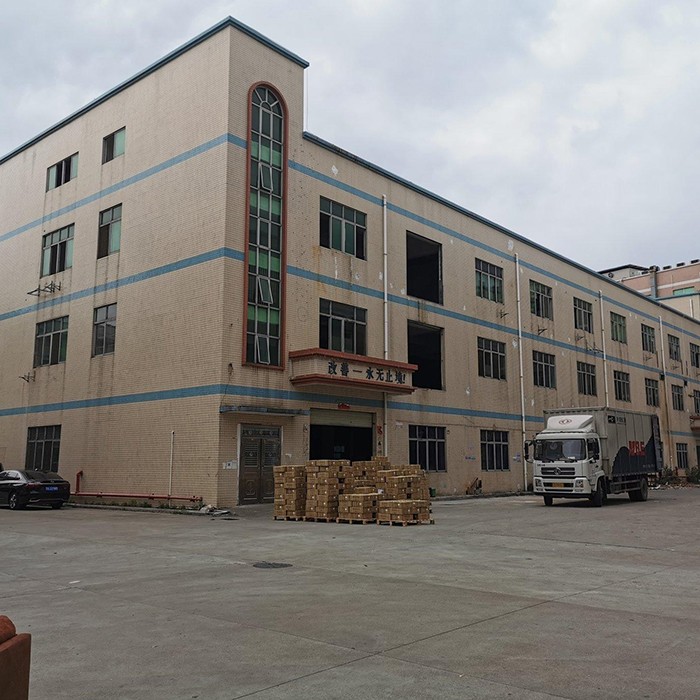
Xiamen Trips Sporting Goods Co.,Ltd integrates R&D, design, production, manufacturing, sales, and service for carbon fiber and composite-material products.
For bicycle brands, distributors, and performance-focused customers, factory-direct communication provides a practical way to align rim specifications with the intended use of the finished wheel.
Composite-Material Manufacturing
Carbon rim performance depends on the interaction of material selection, fiber orientation, structural design, molding, and quality control.
For an 88mm deep-section rim, these factors influence:
Structural strength
Rim weight
Dimensional stability
Spoke-hole durability
Surface quality
Repeatability between production batches
The target is a rim that meets its intended design requirements without adding unnecessary material.
Aerodynamic Design and Validation
An aerodynamic rim should be evaluated as part of a complete wheel-and-tire system.
The rim profile, external width, tire shape, and airflow around the wheel all influence the final result. For buyers who require wind-tunnel evidence, the relevant test setup and results should be confirmed with the manufacturer before making a purchasing decision.
This approach avoids treating rim depth alone as a substitute for measured aerodynamic performance.
OEM and Customization Support
Trips' published 88mm product information lists multiple finish and logo options, along with rim-brake and disc-brake variants. Buyers should confirm the exact tubular configuration, available customization, and current production specifications for their project.
A typical development process can follow:
Application requirements → technical specification → sample confirmation → testing and evaluation → production approval → bulk manufacturing
This helps distributors and teams align the final product with their target market and race requirements.
8. Conversion Path: From an 88mm Rim Inquiry to a Confirmed Order
To receive a useful recommendation and quotation, provide the factory with a clear technical brief.
Step 1: Define the Application
Specify whether the wheel is intended for:
Long-distance triathlon
Short-course triathlon
Time trials
Performance road cycling
Team competition
Retail or private-label distribution
Step 2: Confirm the Rim and Tire System
Specify:
700C wheel size
88mm rim depth
Tubular tire interface
Intended tire model and size
Brake-system configuration
Target rim or complete-wheel weight
Step 3: Define Performance and Quality Requirements
Include:
Rider weight range
Expected riding conditions
Structural testing requirements
Required technical documentation
Branding and finish preferences
Target order quantity
Step 4: Request Samples and Supporting Information
Before a bulk order, request the applicable product specifications, sample availability, test documentation, warranty conditions, and current production lead time.
Evaluate the sample for dimensional accuracy, finish, tire compatibility, and the requirements of the complete wheel build.
Step 5: Approve the Specification
Once the product and commercial terms are confirmed, establish the approved specification for bulk production.
This should cover product configuration, tolerances, inspection requirements, packaging, delivery, and after-sales responsibilities.
Request a Factory Quotation
If you are sourcing an 88mm carbon rims solution for a triathlon team, bicycle brand, or distribution business, contact Xiamen Trips Sporting Goods Co.,Ltd with your wheel specifications and expected quantity.
The more clearly you define your tire system, brake configuration, weight target, and application, the easier it is to determine whether the 88mm carbon tubular rim is the right choice.
FAQ: 88mm Carbon Tubular Rims for Triathlon
Is an 88mm carbon rim the best choice for every triathlon rear wheel?
No. It is a specialized deep-section option that may suit fast, relatively flat courses. Wind conditions, terrain, rider experience, wheel design, and tire compatibility all influence the final decision.
What is the difference between 60mm, 80mm, and 88mm carbon rims?
They differ in profile depth and intended design balance. A 60mm rim may offer a more versatile option, while 80mm and 88mm profiles are more specialized deep-section choices. Actual aerodynamic performance must be evaluated using the complete rim and tire combination.
Is a carbon tubular rim still worth considering?
Yes, for riders and teams that prefer tubular tires and already have compatible installation and maintenance procedures. However, tubular systems are not automatically superior to clincher or tubeless alternatives in every performance category.
Are 88mm carbon rims suitable for crosswind conditions?
They can be suitable for some race conditions, but deep rims require careful evaluation of crosswinds and gusts. Rear-wheel placement changes the handling effect compared with the front wheel, but it does not eliminate lateral wind forces.
Does an 88mm rim automatically provide better aerodynamics than a 60mm rim?
No. Rim depth is only one design variable. Cross-sectional shape, tire integration, yaw angle, and the complete wheel system affect aerodynamic performance. Ask for comparable test data before assigning a specific performance advantage.
Can Trips supply customized 88mm carbon rims?
The published product listing includes finish and logo customization options and multiple brake-system variants. Buyers should contact the factory to confirm current availability, the exact tubular version, customization scope, and order requirements.
Conclusion: Match Rim Depth to the Race, Not Just the Specification Sheet
An 88mm carbon tubular rim can be a compelling choice for a specialized triathlon rear wheel when aerodynamic performance is a priority and the course, tire system, and handling requirements support a deep-section design.
However, the best choice is not determined by depth alone. Carbon structure, rim geometry, tire compatibility, crosswind behavior, manufacturing consistency, and validated testing all matter.
For triathlon athletes, the goal is to choose equipment that suits the course and rider. For distributors and teams, the goal is to source a product that delivers consistent specifications, dependable quality, and a clear fit with the target market.
Xiamen Trips Sporting Goods Co.,Ltd provides a factory-direct starting point for buyers evaluating 88mm carbon rims and other carbon bicycle wheel solutions. Share your application, tire interface, brake configuration, target weight, customization needs, and order quantity to begin the product evaluation and quotation process.