Deeply mired in industry pains, 2026 can be considered a turning point for bicycle recovery?
What is the current state of the bicycle industry? What is the biggest challenge we are facing? What role does the European Bicycle Show play in the industry situation? This industry status analysis and interviews with key figures will take you to explore the truth.
1.Industry status
Affected by multiple factors such as global supply chain inertia, lack of real-time sales data, and overly optimistic expectations, the bicycle industry quickly declined after reaching its peak in early 2022. In the spring of that year, demand plummeted, but the industry failed to adjust its production pace in a timely manner, resulting in a surge in inventory, overcrowded warehouses, and a sharp decline in turnover rate. Nevertheless, the sales of bicycles and electric bicycles set multiple records for the whole year of 2022. In addition, the ongoing Russia Ukraine war and the escalation of the Middle East conflict in October 2023 have further intensified consumer pessimism.
Entering 2024, these issues have not been completely resolved. Although inflation has fallen and consumer confidence is gradually recovering, inventory levels remain high. In order to curb inflation, central banks in multiple countries have raised interest rates, exacerbating the liquidity pressure brought about by some companies' reliance on zero interest loans for expansion during the pandemic.

Faced with declining sales and profit margins, the entire industry is controlling costs and striving for a balance between revenue and expenses through business restructuring, layoffs, and other means. At the same time, several well-known brands announced that they will not participate in this year's European Cycling Show, and the withdrawal of two major German industry associations also confirms this trend. The two major German industry associations announced their withdrawal from Eurobike, and the industry is changing. In addition, due to the continuous decline in inventory value, companies such as Giant, Merida, and Canyon have been forced to make significant asset write downs.
However, the situation is not bleak. The performance of some segmented markets remains strong, especially for curved road vehicles. The sales of spare parts also maintain a good trend.
On the other hand, the tariff policies brought about by the Trump era trade war are still bringing uncertainty and market volatility. Although the US market is not the most important market for the global bicycle industry, ultimately these arbitrarily imposed tariffs will still be borne by American consumers. Price increases will inevitably suppress sales, and as the main settlement currency in the industry, the fluctuation of the US dollar's exchange rate undoubtedly makes the situation more complex.
2.Industry insights of key figures
Bernhard Lange, CEO of Paul Lange&Co., stated that the inventory situation is improving. The trend of gradually decreasing inventory is expected to continue until the second half of 2025 and the first quarter of 2026, "said Burkhard Stork, CEO of ZIV, who shares a similar view, but added," There are significant differences in inventory levels among different companies and bicycle categories
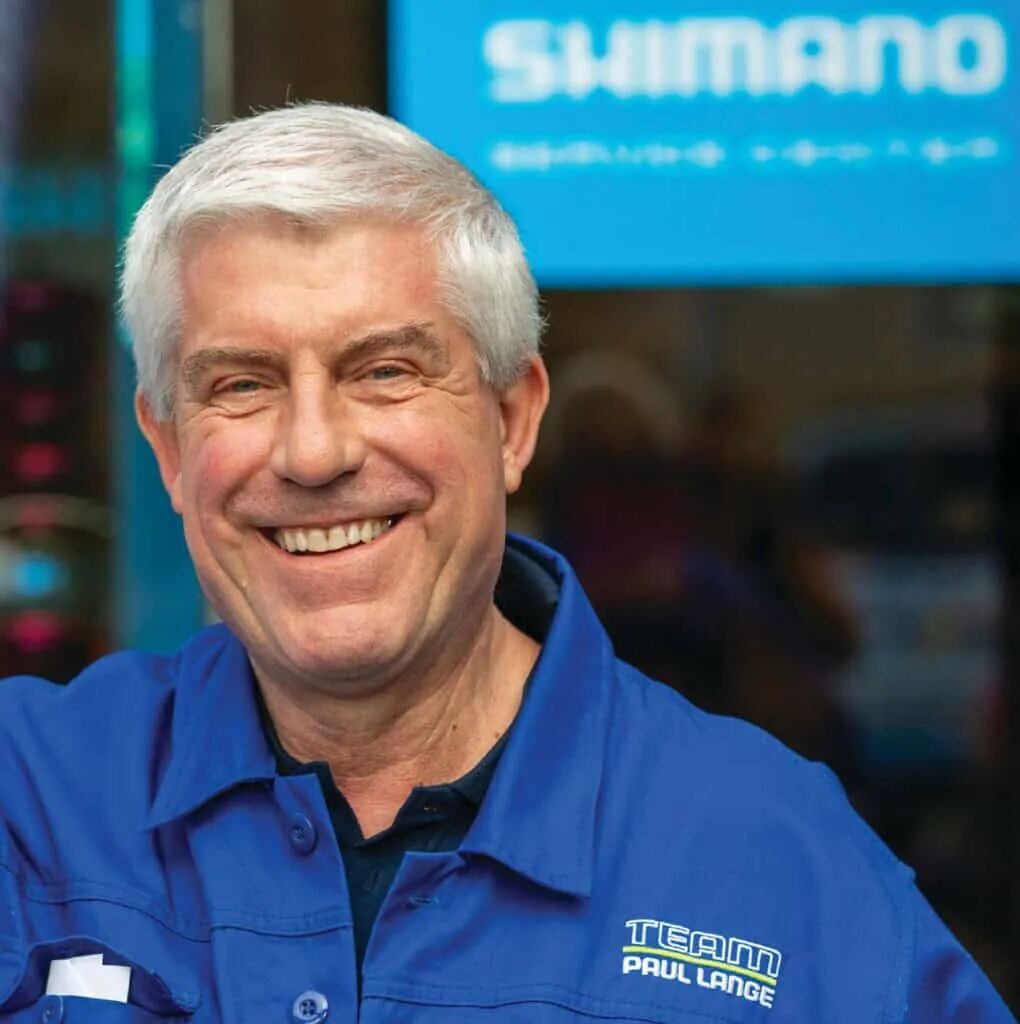
As the head of Shimano's distributors in multiple European countries, Bernhard Lange further pointed out: "We are seeing a recovery in the retail market, especially in the areas of parts, accessories, and consumables. In terms of original factory supporting business, there are positive signals that this field will rebound by the end of 2025 to 2026. Sales of road bikes and gravel bikes are strong, and the growth of electric bicycles is also expected to recover in 2026." Lange even believes that the bicycle industry has the ability to benefit from the current turmoil and ultimately become a winner.
There are slight differences in opinions regarding the biggest challenges that the industry will face in the future. Schwalbe's Chief Sales Officer Nico Simons calls for a more visionary strategy: "The most urgent challenge is to match the supply chain with sustainable and reasonable market demand, and to avoid a repeat of the 'bullwhip effect' through industry wide collaboration. Currently, short-term market fluctuations often conflict with limited inventory and capacity recovery." (Note: The bullwhip effect refers to the phenomenon in the supply chain where demand information is amplified step by step as it passes from downstream to upstream, leading to inventory fluctuations and production plan imbalances.)
Burkhard Stork, on the other hand, is more concerned about administrative burdens and the business environment: "The main challenge for the German bicycle industry is to reduce bureaucracy and address the shortage of professional talent from a long-term perspective. We should maintain and strengthen the Schengen area and the euro system
Given the limited business of German bicycle manufacturers and component suppliers in the United States, Stork expects that tariffs will not have a significant impact: "The depreciation of the US dollar may even lead to a decrease in bicycle prices. However, as Chinese companies are increasingly striving to expand their European business, we have already felt some pressure, especially on the prices of components
summary
Overall, although the bicycle industry still faces challenges, it is undergoing a transition period from digesting inventory to rebuilding a healthy ecosystem. Short term pain is inevitable, but the track of long-term recovery is gradually becoming clear.
About Trips
Xiamen Trips Sporting Goods Co.,Ltd,founded in year 2017, is a dedicated carbon fiber and a variety of composite material research and development, design, production, manufacturing, sales and service in one integrated trade technology manufacturing enterprises.
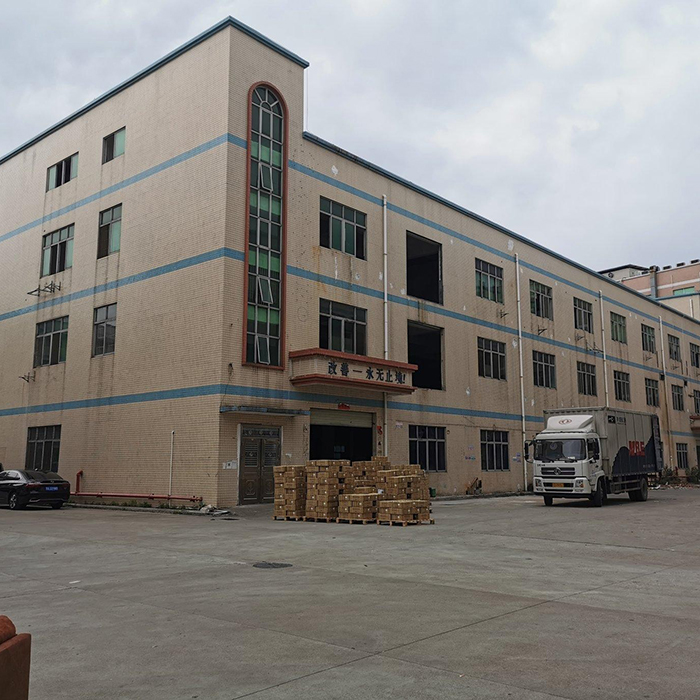
TRIPS is a professional manufacturer of carbon fiber bicycle rims, wheels and composites material components. We have many years’ experience in carbon rims developing and manufacturing, with production area of 2000㎡, 50+ total staff, including 6 engineers, 40+ well-trained workers, 3000 pcs monthly capacity of carbon bicycle rims, and 500 pairs monthly capacity of wheelsets. Our carbon rims are rigorously tested under international standard ISO4210.All wheelsets are hand built and trued by experienced mechanician. We design, manufacture and provide superlative quality products to our clients around the world, our aim is to provide best carbon bicycle and sport parts and service to our clients.
We are been adhering to the “ Quality development, reputation and survival” of the enterprise development concept, in each product part of the development and production, are carful and rigorous strive for excellence.
At present our products have been exported to Europe and United States, Thailand, Japan, Korea and other countries and regions, with several well-known international enterprises, the establishment of a long-term good relations of cooperation, won the partners and customers friends of praise and favor.