Carbon Wheels vs. Aluminum Wheels: A Manufacturer’s Perspective on the Real Differences
In the bicycle industry, one question has remained popular among riders, distributors, and bicycle brands for years:
Are carbon wheels really worth the investment compared with aluminum wheels?
Many riders focus only on weight differences or appearance, but from a manufacturer’s perspective, the real gap between carbon and aluminum wheels involves much more than weight. Material characteristics, manufacturing processes, aerodynamic performance, durability, riding scenarios, and long-term value all play important roles.
As a professional carbon composite manufacturer, Xiamen Trips Sporting Goods Co.,Ltd has extensive experience in carbon fiber research, design, production, and manufacturing. By understanding the differences between these two materials from the factory perspective, customers can make more informed decisions when selecting wheel products for racing, daily riding, OEM projects, or wholesale distribution.
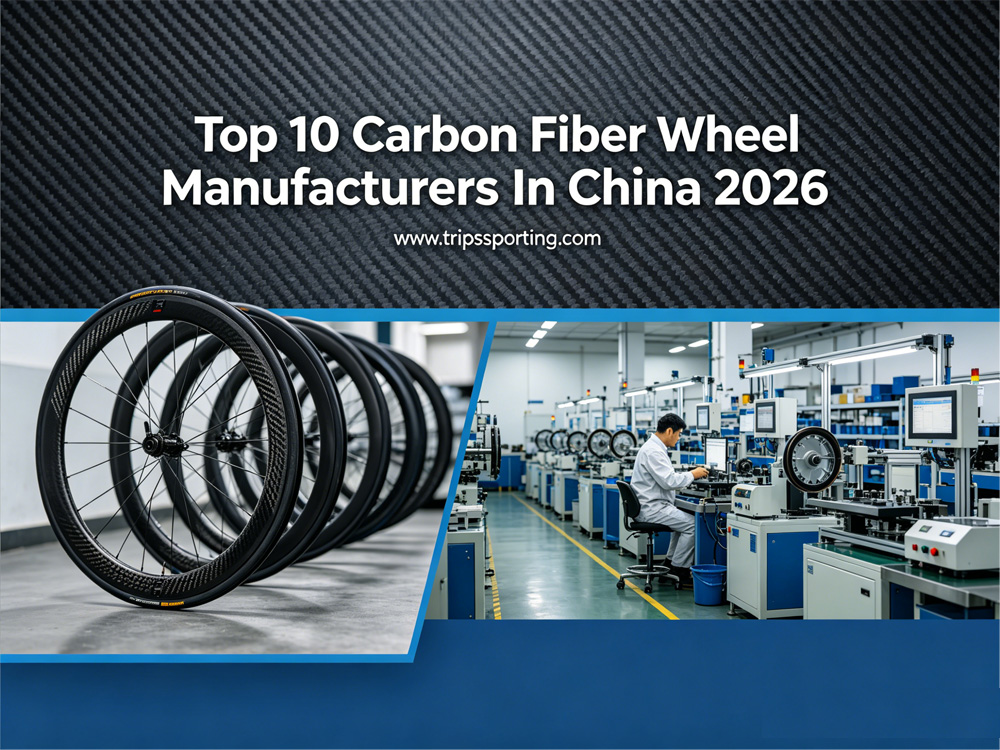
1. Product Definition: What Are Carbon Wheels and Aluminum Wheels?
What Are Carbon Wheels?
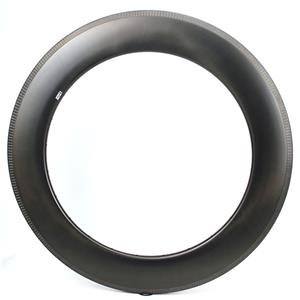
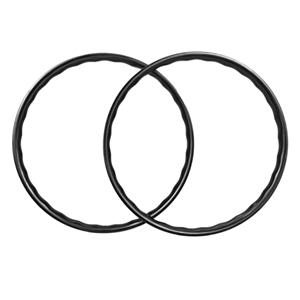
Carbon wheels are bicycle wheel systems that use carbon fiber composite materials as the main structural component of the rim.
Carbon fiber is known for its excellent strength-to-weight ratio, allowing manufacturers to design rims that are:
Lightweight
Highly rigid
Aerodynamically optimized
Structurally customizable
During production, carbon fibers are arranged according to different stress requirements. Engineers can reinforce specific areas such as:
Spoke holes
Rim edges
Braking surfaces
Impact zones
This directional design capability is one of the biggest advantages of carbon technology.
At Xiamen Trips Sporting Goods Co.,Ltd, carbon rims are developed through professional composite material processes, including carbon layup design, precision molding, curing control, and strict quality inspection.
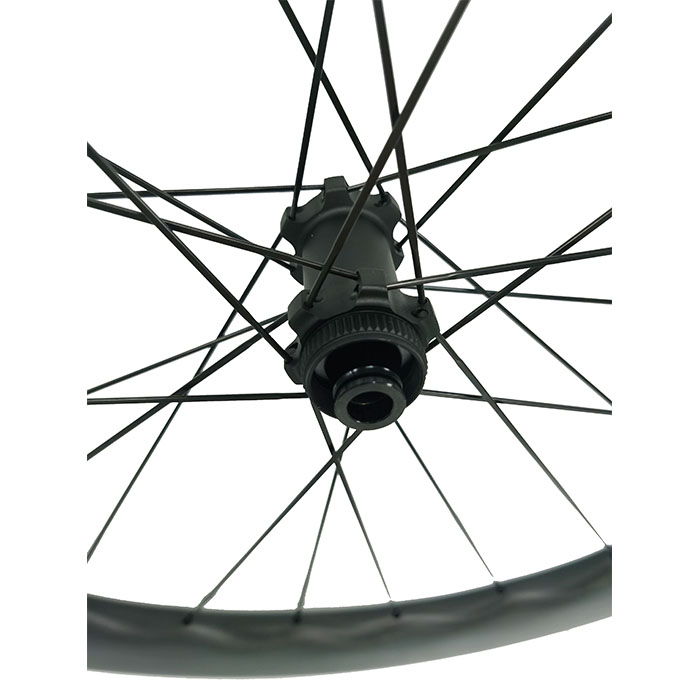
What Are Aluminum Wheels?
Aluminum wheels use aluminum alloy as the primary rim material.
The most common manufacturing processes include:
Extrusion forming
Welding
CNC machining
Surface treatment
Aluminum wheels have been widely used for decades because they offer:
Lower manufacturing cost
Good impact resistance
Easy maintenance
Reliable everyday performance
For entry-level bicycles, commuting bikes, and training wheels, aluminum remains a practical choice.
2. Application Scenarios: Which Wheel Fits Different Riders?
Choosing between carbon and aluminum depends largely on the riding environment and performance expectations.
Carbon Wheels: Designed for Performance-Oriented Riders
Carbon wheels are commonly used in:
Road Racing
Professional and amateur racers choose carbon wheels because aerodynamic efficiency and weight reduction directly influence performance.
Deep-section carbon rims can reduce aerodynamic drag at high speeds, especially above 35 km/h.
Climbing
Lightweight carbon climbing wheels help reduce rotational mass, making acceleration easier on steep gradients.
Triathlon and Time Trial
Aerodynamics becomes extremely important in long-distance time trial events.
Carbon deep-section wheels and disc wheels are widely used because reducing air resistance can save significant energy over long distances.
Premium Bicycle Brands
For bicycle manufacturers, carbon wheels are often used to create high-end product positioning and improve overall brand value.
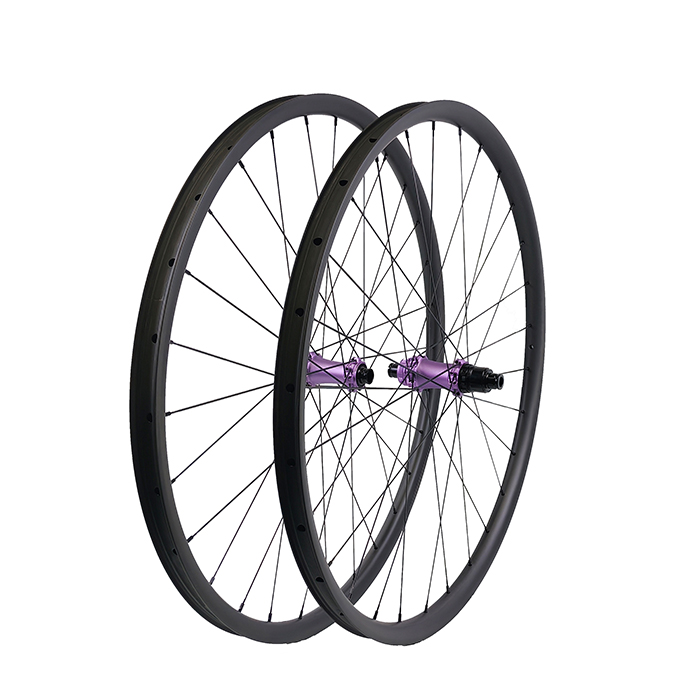
Aluminum Wheels: Practical and Reliable Choice
Aluminum wheels remain popular for:
Daily Commuting
They provide excellent durability and require minimal maintenance.
Training Bikes
Many professional riders still use aluminum wheels for daily training because they are affordable and durable.
Entry-Level Performance Bikes
For riders upgrading from basic factory wheels, aluminum wheels provide a cost-effective improvement.
3. Technical Parameter Comparison: Carbon Wheels vs Aluminum Wheels
The following table shows the typical differences between premium carbon wheels and aluminum wheels.
| Parameter | Carbon Wheels | Aluminum Wheels |
|---|---|---|
| Material | Carbon fiber composite | Aluminum alloy |
| Weight | Lower | Higher |
| Stiffness | High | Medium |
| Aerodynamic Design | Excellent | Limited |
| Manufacturing Process | Carbon layup + molding | Extrusion + machining |
| Customization Ability | High | Limited |
| Impact Resistance | High with optimized structure | Naturally strong |
| Ride Comfort | Tunable through carbon layup | Fixed material characteristics |
| Price Level | Medium to premium | Entry to mid-range |
| Main Users | Racers, enthusiasts, premium brands | Commuters, training riders |
4. Why Carbon Wheels Cost More: A Factory Explanation
Many customers ask:
“Why are carbon wheels more expensive than aluminum wheels?”
The answer comes from the manufacturing process.
Carbon Fiber Material Cost
Carbon fiber is a high-performance composite material with significantly higher raw material costs compared with aluminum alloy.
Different carbon grades provide different performance characteristics:
Standard modulus carbon
Intermediate modulus carbon
High modulus carbon
Selecting and combining these materials requires engineering experience.
Complex Manufacturing Process
Carbon wheel production requires:
1. Mold Development
Each rim profile requires precision molds.
2. Carbon Layup
Technicians arrange carbon layers according to structural requirements.
3. Heat and Pressure Curing
Controlled curing ensures material consistency.
4. Finishing
Processes include:
Drilling
Surface treatment
Inspection
Wheel assembly
At Xiamen Trips Sporting Goods Co.,Ltd, every production stage is carefully controlled to ensure reliable performance.
5. Performance Data: Why Riders Choose Carbon
Although aluminum wheels remain practical, carbon wheels offer measurable advantages.
Aerodynamic Advantage
Wind tunnel testing in the cycling industry has demonstrated that deeper carbon rims can significantly reduce aerodynamic drag compared with shallow aluminum rims.
Typical comparison:
| Rim Type | Rim Depth | Aerodynamic Performance |
|---|---|---|
| Aluminum Training Rim | 20–30mm | Basic |
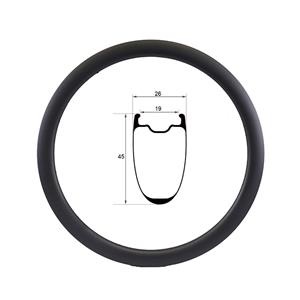
| Carbon Mid-Depth Rim | 40–50mm | Improved |
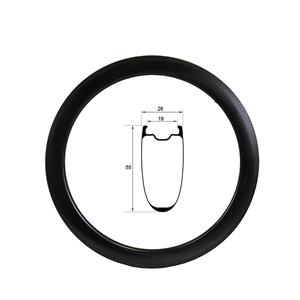
| Carbon Deep Section Rim | 50–65mm | High aerodynamic efficiency |
Weight Difference
Typical wheelset comparison:
| Wheel Type | Approximate Weight |
|---|---|
| Aluminum Road Wheelset | 1600–1900g |
| Carbon Road Wheelset | 1200–1600g |
A lighter wheel system improves:
Acceleration
Climbing efficiency
Handling response
Stiffness and Power Transfer
Carbon structures allow engineers to increase stiffness around high-stress areas while maintaining flexibility elsewhere.
This means riders can experience:
Faster acceleration
More direct power transfer
Better cornering confidence
6. Purchasing Considerations: How Should Buyers Choose?
Whether you are a rider, distributor, or bicycle brand, consider these factors before purchasing.
1. Riding Purpose
Ask:
Racing or daily riding?
Flat roads or mountains?
Long-distance endurance or short explosive efforts?
Performance riders usually benefit more from carbon wheels.
2. Budget Planning
Aluminum wheels offer excellent value at lower prices.
Carbon wheels require a higher initial investment but provide:
Better performance
Higher product positioning
Stronger market appeal
For bicycle brands, carbon wheels can significantly improve product differentiation.
3. Quality Control Standards
When purchasing carbon wheels, buyers should evaluate:
Material source
Testing standards
Manufacturing experience
Warranty policy
After-sales support
A reliable supplier matters more than simply choosing the lowest price.
4. OEM Customization Requirements
For bicycle companies and distributors, customization capability is critical.
Important options include:
Rim depth
Carbon layup design
Logo printing
Surface finish
Hub selection
Spoke configuration
Packaging solutions
7. Why Choose Xiamen Trips Sporting Goods Co.,Ltd?
Founded in 2017, Xiamen Trips Sporting Goods Co.,Ltd is a technology-oriented manufacturer specializing in carbon fiber and composite material solutions.
The company integrates:
Research and development
Product design
Manufacturing
Sales
Customer service
into one complete production system.
Manufacturing Advantages
2000㎡ production facility
50+ professional employees
6 experienced engineers
3000 carbon rims monthly capacity
500 wheelsets monthly capacity
Quality Control
Trips carbon products are tested according to international standards including ISO4210.
All wheelsets are:
Professionally assembled
Hand-built
Precisely tensioned
Carefully inspected
The company exports products to:
Europe
United States
Japan
Korea
Thailand
Other international markets
8. FAQ: Common Questions About Carbon and Aluminum Wheels
Q1: Are carbon wheels always better than aluminum wheels?
Not necessarily. Carbon wheels are better for performance applications, while aluminum wheels remain excellent for daily use and training.
Q2: Are carbon wheels durable enough?
Yes. Properly manufactured carbon wheels can provide excellent durability when designed with correct material structure and tested under international standards.
Q3: Why do professional cyclists use carbon wheels?
Because professional racing requires maximum aerodynamic efficiency, low weight, and high stiffness.
Q4: Are carbon wheels worth buying for amateur riders?
For riders who value speed, performance upgrades, and premium riding experience, carbon wheels are a worthwhile investment.
Q5: Can manufacturers customize carbon wheels?
Yes. Professional carbon factories like Xiamen Trips Sporting Goods Co.,Ltd provide OEM and ODM customization services.
9. From Material Selection to Final Product: Build Your Carbon Wheel Project with Trips
Choosing the right wheel supplier is not only about purchasing a product—it is about selecting a long-term manufacturing partner.
Whether you need:
High-performance carbon road wheels
MTB carbon wheel solutions
OEM carbon rims
Private-label wheelsets
Custom composite components
Xiamen Trips Sporting Goods Co.,Ltd provides complete technical support from concept development to final production.
Our professional team can assist with:
Product positioning analysis
Structural design recommendations
Prototype development
Sample testing
Mass production
Global shipment support
Conclusion: Carbon or Aluminum? The Right Choice Depends on Your Goal
From a manufacturer’s perspective, carbon wheels and aluminum wheels are not competitors—they serve different markets.
Aluminum wheels remain reliable, affordable, and practical.
Carbon wheels represent the future of high-performance cycling through:
Advanced material technology
Aerodynamic optimization
Lightweight engineering
Customizable structures
For riders seeking speed and performance, carbon wheels provide a clear advantage. For brands seeking premium bicycle solutions, carbon technology creates stronger product competitiveness.
With professional carbon composite expertise, advanced manufacturing capability, and global service experience, Xiamen Trips Sporting Goods Co.,Ltd continues helping cyclists and bicycle brands worldwide choose and develop the right wheel solutions.