A Beginner's Essential Guide: What Do Carbon Fiber Wheelsets' "Rim Depth" and "Spoke Count" *Really* Affect?
Novices browsing for carbon fiber wheelsets are often bewildered by specifications like "50mm rim depth" or "24 spokes." In reality, these two parameters are much like shoe sizes: bigger isn't necessarily better; what matters is the terrain you'll be riding on and your body weight. Keep this simple truth in mind: when choosing a wheelset, prioritize the right fit over the highest price tag—selecting the option best suited to your specific riding conditions is the only right choice.
I. What factors should be considered regarding rim height?
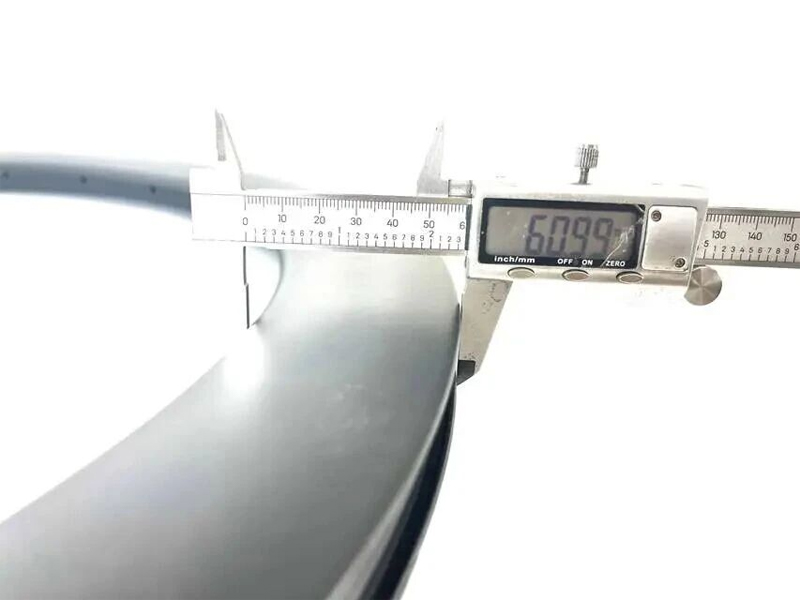
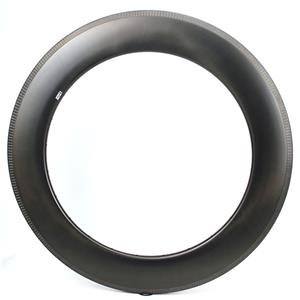
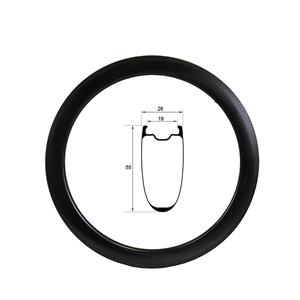
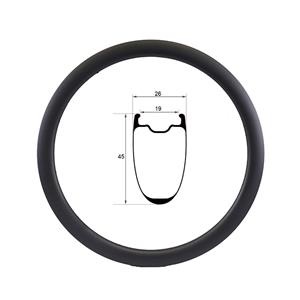
Rim depth refers to the "height of the wheel's profile." Much like a hollow cylinder, it represents the vertical distance "from the bottom of the cylinder (the inner edge of the rim) to its opening (the outer edge)"—distinct from the overall diameter of the entire wheel. This depth primarily influences aerodynamic drag, weight, and handling characteristics. These three factors exist in a trade-off relationship—where an increase in one often entails a decrease in another—meaning there is no inherently "good" or "bad" option; the ideal choice depends entirely on the type of terrain you typically ride. Ultimately, the rim depth determines "how energy-efficient" or "how agile" the ride feels. The core principle can be summarized in a single sentence: deep-section rims prioritize speed, shallow-section rims prioritize agility, and mid-section rims serve as versatile all-rounders.
1.Low-Profile Rims (Under 30mm): The "Agile Choice" for Climbing and Commuting
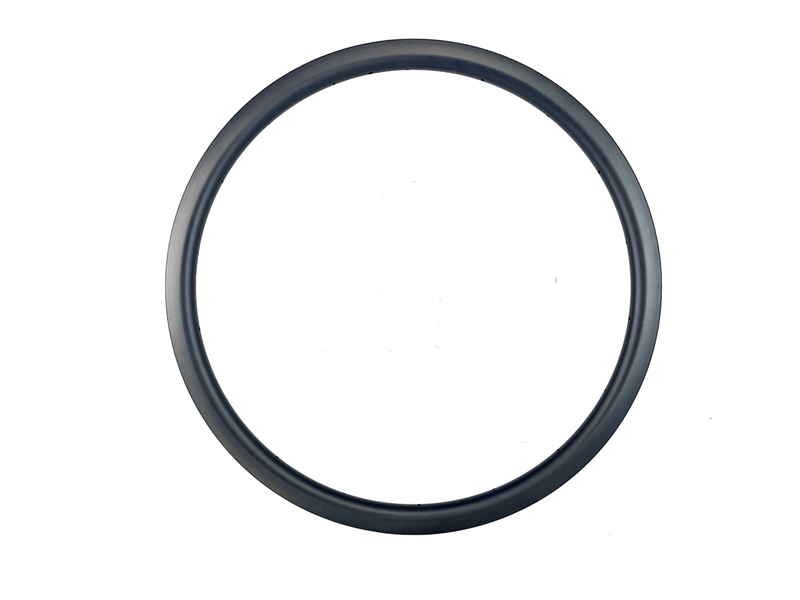
If you frequently engage in these three activities, choosing low-profile rims is a foolproof decision:
On weekends, when climbing steep, switchback-filled mountain roads—while others on high-profile rims feel their legs ache after just a few pedal strokes—you’ll feel a sense of effortless lightness underfoot on your low-profile rims, allowing you to chat with friends even after conquering a climb;
For daily commuting—where you encounter speed bumps and minor potholes—low-profile rims effectively absorb the shocks, ensuring your hands remain free of numbness;
If you are purchasing your first set of carbon fiber wheels and are concerned about instability caused by crosswinds, low-profile rims ensure you stay on track, no matter how strong the gusts. Riding Experience Summary: Lightweight, agile, bump-resistant, minimally affected by crosswinds, and highly suitable for beginners.
2. Mid-Travel (30–50mm): The "All-Rounder"—Capable on Any Terrain
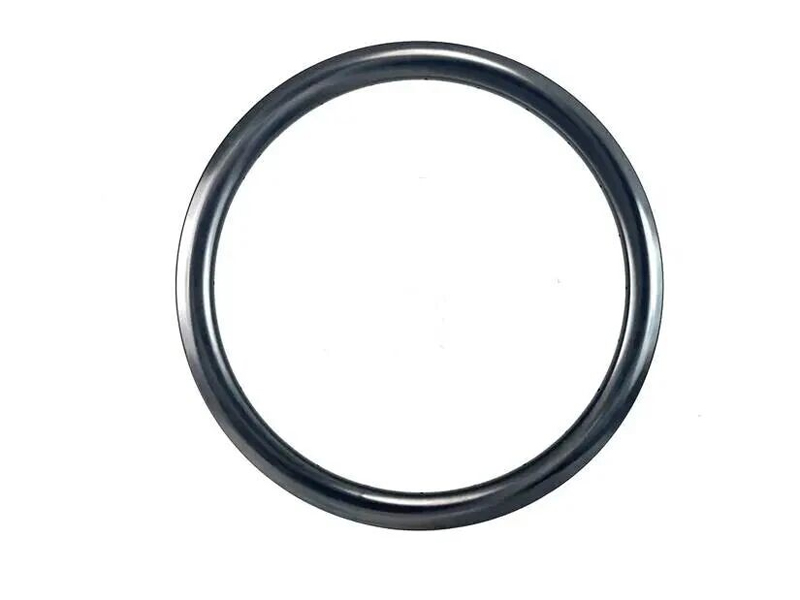
Most beginners can simply "choose with their eyes closed"—this option is suitable for everyone:
For mixed-terrain riding—such as routes on the outskirts of a city involving "a stretch of flat road followed by a gentle incline"—the mid-depth rim profile strikes an ideal balance: it isn't too heavy for climbing, nor does it generate excessive wind resistance, ensuring you won't feel exhausted on ascents or sluggish on the flats.
For weekend training rides where you crave a sense of "speed" but want to avoid being buffeted by crosswinds, these mid-depth rims act as true "all-rounders," capable of handling any scenario.
Riding Feel Summary: Balanced, versatile across different road conditions, and offering exceptional value for money—for a beginner, choosing this option is a decision you simply can't get wrong.
3. Deep-Section Rims (50mm+): The "Speed Specialists" for Flat-Road Racing
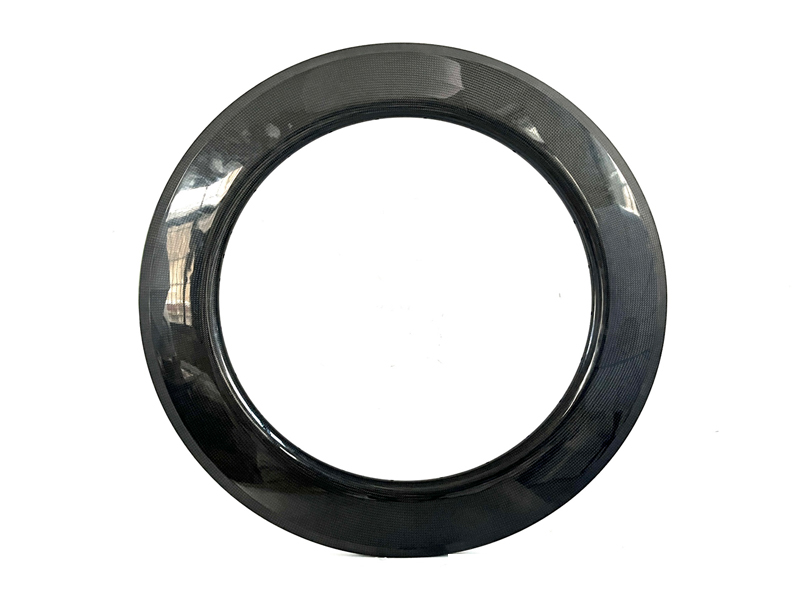
Don't blindly follow the trend and opt for deep-section rims; they are truly suited only for "windless, flat terrain":
When riding in a straight line along a riverbank or lakeside—where there are no gradients and no crosswinds—deep-section rims behave like a "streamlined race car." Their low aerodynamic drag allows you to conserve significant energy; pedal just a little harder, and your speedometer will immediately jump upward, allowing you to cover an extra two or three kilometers in an hour compared to riding with low-profile rims.
If you are participating in amateur races and planning to sprint, deep-section rims can indeed help you "ride faster." However, even a moderate crosswind can easily blow you "off course," making bike handling particularly challenging for beginners.
Riding Experience Summary: Fast and stable (in windless conditions), but susceptible to crosswinds; beginners should choose with caution.
II. What is the impact of the number of rim spokes?
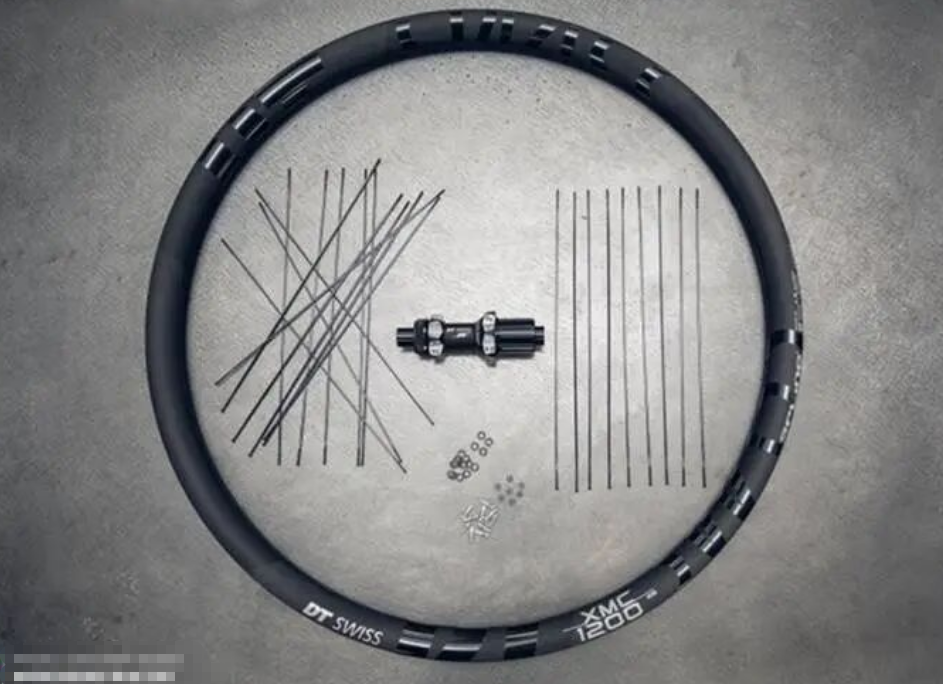
Spokes are the slender rods that connect the rim to the hub; their quantity determines both the wheel's durability and the comfort of the ride. Remember: a high spoke count makes for a rugged, heavy-duty wheel; a low spoke count results in a lighter, livelier feel; and a moderate spoke count is the ideal choice for most riders.
Low Spoke Count (16–24 spokes; typically 20 or 24): A lightweight, "lively" option for lighter riders.
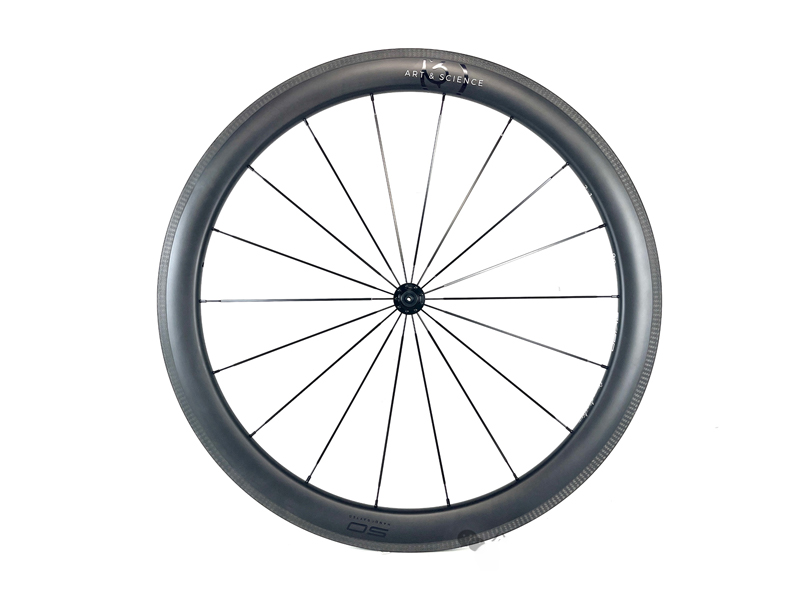
Recommended for only two types of riders:
Lightweight riders (under 130 lbs) who ride exclusively on flat terrain or for racing; featuring fewer spokes and lightweight rims, these wheels offer rapid acceleration and quick sprinting capabilities.
Advanced enthusiasts prioritizing "lightweight optimization" who don't mind the occasional minor bump and simply seek the sheer thrill of the ride.
Note: Do not choose these wheels if you weigh over 150 lbs; otherwise, the wheels may become unstable or "wobbly," and prolonged use could even lead to spoke breakage.
2. Medium Spoke Count (24–28 spokes; 24 or 28 are most common): The "universal option" for everyone.
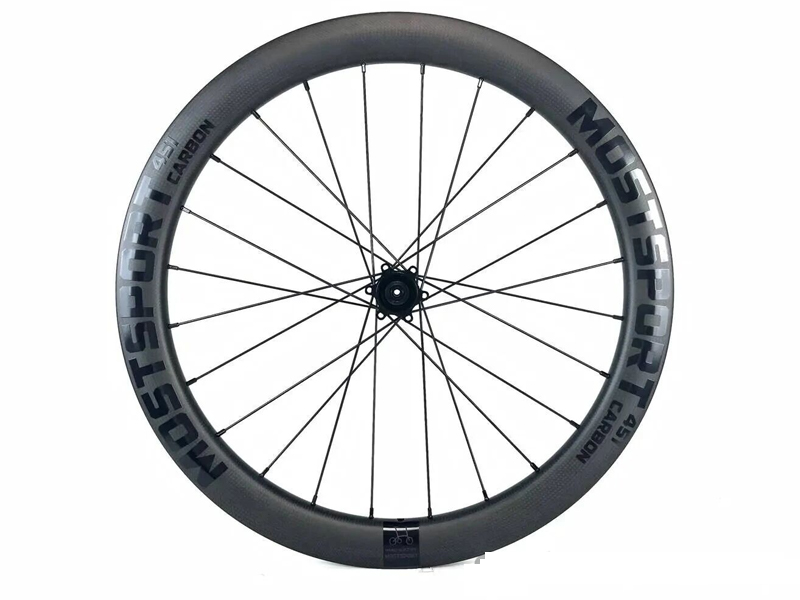
Whether you weigh 130 lbs or 180 lbs—and regardless of whether you’re navigating city commutes or light bumps in the suburbs—these mid-gauge spokes offer the steadfast stability of a "sturdy table."
For daily riding, they shrug off potholes and effectively absorb road impact;
With a moderate weight, they ensure brisk acceleration off the line while delivering ample comfort—never feeling "rock-hard" or jarring to your hands;
Newcomers can choose them with their eyes closed—the compatibility is simply perfect.
3. High-Spoke Count (28+ spokes, commonly 32): A "bombproof" option designed for heavier riders and rough terrain.
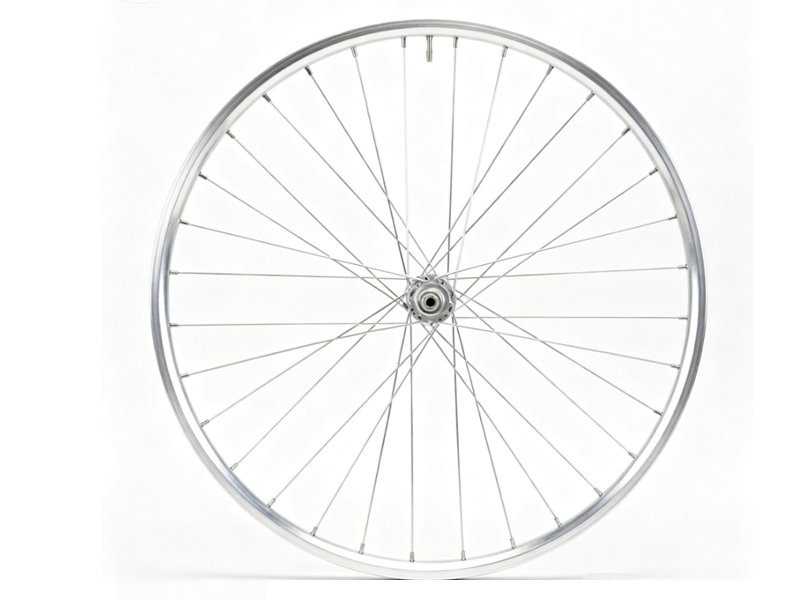
If you meet these three criteria, opt directly for a wheelset with a high spoke count:
If you weigh over 180 jin (approx. 90 catties), you need wheels capable of supporting a heavier load;
If you ride on gravel or off-road terrain—surfaces riddled with loose stones and potholes—a multi-spoke design acts like a "table with many legs," offering exceptional stability;
If you ride with luggage (e.g., using a rear rack), the extra spokes can handle the additional weight, so you won't have to worry about the wheels warping.
The Ultimate Choice for Beginners: 3 Steps to Success—Avoid the Pitfalls
No need to memorize complex specs—just follow these three steps to make the right choice every time:
First, consider the terrain: Climbing/Commuting → Low-profile rims; Mixed terrain → Mid-profile rims; Purely flat-road racing → High-profile rims.
Next, consider your weight: Under 130 lbs → Low spoke count; 130–180 lbs → Medium spoke count; Over 180 lbs → High spoke count.
Finally, avoid common pitfalls: Beginners should steer clear of high-profile rims (which are susceptible to crosswinds) and low spoke counts (which may lack durability). A combination of mid-profile rims and a medium spoke count offers the highest "margin for error" and is the safest bet.
Choosing a wheelset isn't about finding the one with the most "impressive" specs; it's about finding the one that best "understands" your riding style. The roads you ride most frequently are, ultimately, the best criteria for making your choice.