Is the recovery no longer balanced and the market reshuffling? Five highlights of the bicycle industry in 2026
The bicycle industry is moving from the "stop loss stage" to the "difficult choice stage". 2026 will be defined by an unbalanced recovery, tariff uncertainty, and a reshaped exhibition landscape.
2025 clearly reminds the entire industry that the aftermath of the pandemic is not a problem that can be solved in just one year. Inventory pressure, profit squeeze, and policy fluctuations still influence industry development, forcing many brands and retailers to prioritize stable cash flow, inventory clearance, and cautious operations over bold bets.
At the same time, the tone of industry dialogue has quietly changed: panic has decreased, rationality has increased, and people are more willing to re-examine traditional practices - whether it is product planning or exhibition strategies. This transformation is of great significance, as it marks the market's gradual return from the "crisis response mode" to the "long-term strategic mode".
So what does this mean in practice? What forces may shape the bicycle industry by the end of 2026? The following five topics will play a crucial role in the coming months.
01. The recovery is still ongoing, but it will not 'balance out'
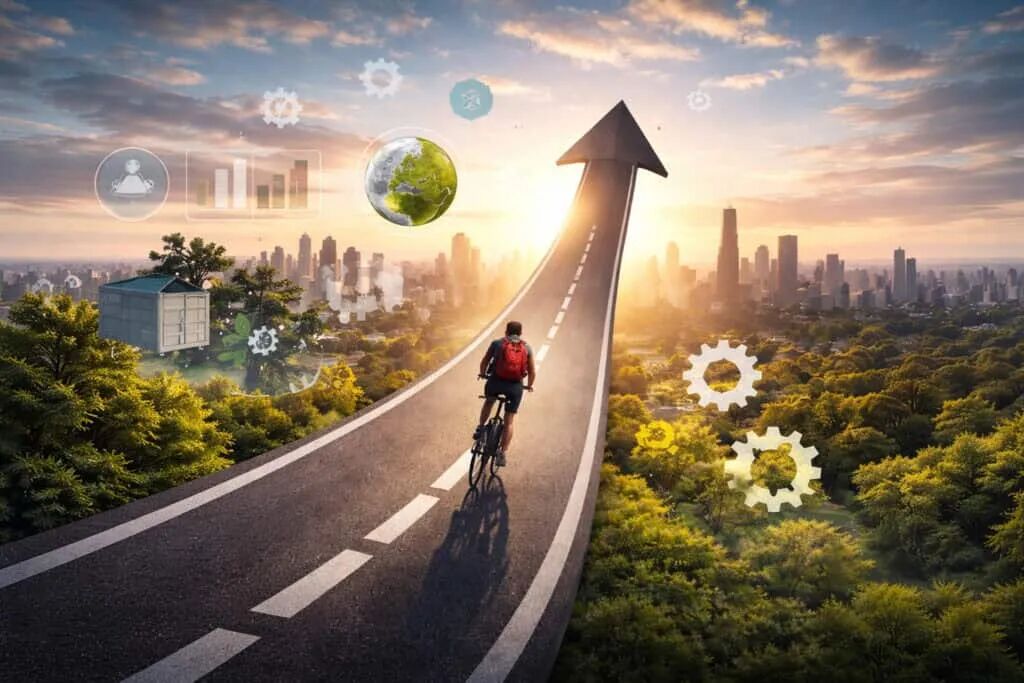
The main theme of 2026 is still recovery, but this recovery will not benefit everyone at the same time.
In some segmented markets, inventory levels have improved, and some signals suggest that 2026 may usher in a more "healthy and balanced" inventory cycle - which will ultimately alleviate the vicious cycle of competitive discounts and provide space for brand rebuilding profits.
However, at the same time, market confidence remains fragile. Fluctuations in demand, cautious procurement, and a tighter financing environment mean that the recovery is more likely to present a "patchwork structure": different regions, categories, and price bands will recover at completely different speeds.
02. The future of Eurobike is actually related to the future of the entire industry exhibition
If 2025 has already prompted the industry to re-examine the value of large-scale international exhibitions, then 2026 will force all parties to truly provide answers. Eurobike has taken the lead in responding by announcing the adoption of a more compact exhibition format in 2026, including shortened exhibition periods and adjustments to exhibition modes. But a stronger signal comes from the differentiation within the industry: the two major industry associations in Germany, ZIV and Zukunft Fahrlad, have announced the end of their cooperation and confirmed that they will not participate in the 2026 Eurobike. This clearly indicates that the era of the so-called 'European core industry gathering center' is facing profound impact.
At the same time, other forms of exhibitions are emerging: Velofollies continues to grow as a consumer oriented exhibition with a strong brand atmosphere; Cyclingworld Europe, located in Dusseldorf, is expanding and claims strong momentum for 2026; The Shanghai exhibition is still expanding in scale, and the importance of Asia as a global production center is still on the rise.
Therefore, for many brands in 2026, the core question is no longer "which exhibition is the largest?", but "which exhibition combination can bring orders, media influence, channel connections, and user community value with the highest efficiency
03. Trump era tariffs are becoming fixed constraints for long-term planning
For any brand that relies on the US market, the 2026 plan must accept a reality: trade policy uncertainty is no longer a theoretical issue.
The Trump administration's actions on tariffs in 2025, including reciprocal tariffs and industry-specific measures, have significantly increased the uncertainty of component and vehicle costs. This uncertainty will be transmitted layer by layer to pricing, inventory, and supply chain decisions.
04. Can the topic of "sustainable development" itself still be considered "sustainable"?
Sustainability will not disappear by 2026- but its form will change. The focus of the industry will no longer be just on "who tells the best environmental story?", but on "who can afford long-term investment? Who can produce verifiable results? Who can truly scale up implementation
Cost pressures make many long-term projects more difficult to advance, while the industry remains fragmented: many independent initiatives lack unified standards.
At the same time, regulations are pushing sustainability from the "marketing level" to the "operational level". Battery regulations, recycling requirements, and transparency obligations are turning sustainability into quantifiable compliance issues (ignoring it also means quantifiable risks).
So, yes - sustainability will still be 'sustainable', but more so because it is increasingly linked to market access rather than just brand image.
05. AI will transform from a "buzzword" to a "cost lever"
The most direct and significant impact of AI in 2026 may not be the dazzling consumer side features, but rather the "invisible" efficiency improvements: forecasting, demand planning, production optimization, automated quality inspection, and faster content production processes. In a market still rebuilding profit margins, this is more important than ever before.
The real problem in 2026 is: who can use AI to reduce friction and returns, improve service response speed, optimize supply chain decisions - while not making the customer experience "cold and mechanical".
About Trips
Xiamen Trips Sporting Goods Co.,Ltd,founded in year 2017, is a dedicated carbon fiber and a variety of composite material research and development, design, production, manufacturing, sales and service in one integrated trade technology manufacturing enterprises.
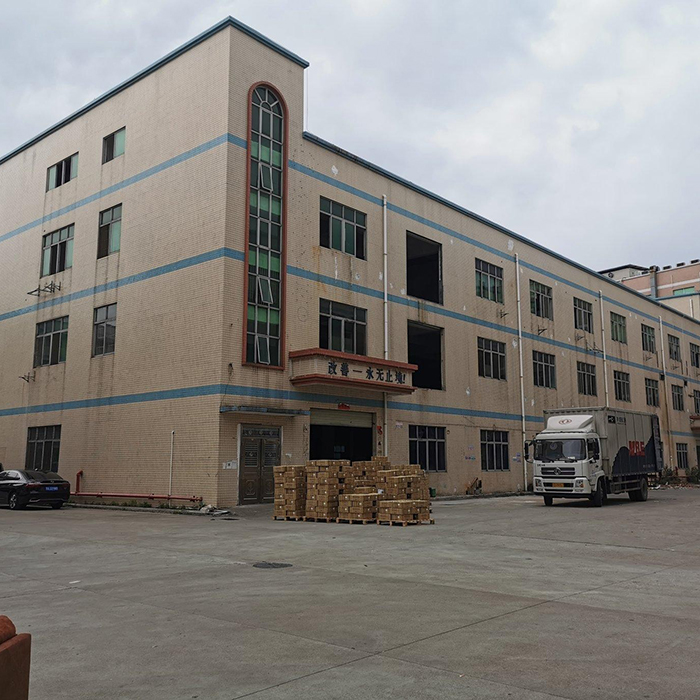
TRIPS is a professional manufacturer of carbon fiber bicycle rims, wheels and composites material components. We have many years’ experience in carbon rims developing and manufacturing, with production area of 2000㎡, 50+ total staff, including 6 engineers, 40+ well-trained workers, 3000 pcs monthly capacity of carbon bicycle rims, and 500 pairs monthly capacity of wheelsets. Our carbon rims are rigorously tested under international standard ISO4210.All wheelsets are hand built and trued by experienced mechanician. We design, manufacture and provide superlative quality products to our clients around the world, our aim is to provide best carbon bicycle and sport parts and service to our clients.
We are been adhering to the “ Quality development, reputation and survival” of the enterprise development concept, in each product part of the development and production, are carful and rigorous strive for excellence.
At present our products have been exported to Europe and United States, Thailand, Japan, Korea and other countries and regions, with several well-known international enterprises, the establishment of a long-term good relations of cooperation, won the partners and customers friends of praise and favor.