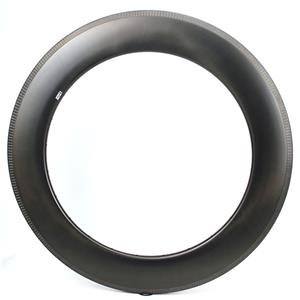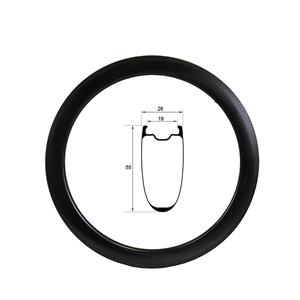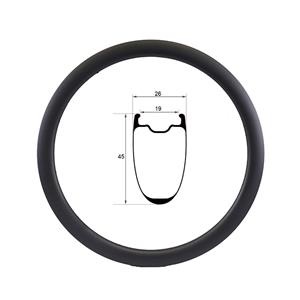
Chinese carbon wheels have exploded in popularity, how do you actually choose the RIGHT one?
Over the last five years, Chinese carbon bicycle wheels have gone from being “budget alternatives” to becoming serious competitors in the global cycling market. Riders everywhere — from amateur climbers to elite racers — are now choosing carbon wheelsets made in China for their combination of performance, technology, and value.
But with so many options available, choosing the right carbon wheelset has become more confusing than ever.
Should you buy deep-section aero wheels or lightweight climbing wheels?
Do expensive spokes really matter?
Is a hookless tubeless setup worth it?
How important is warranty support and shipping logistics when ordering internationally?
At Trips, we work with riders, distributors, and OEM partners worldwide, and one thing is clear: the “best” wheelset depends entirely on how and where you ride.
This guide breaks down how to choose the right Chinese carbon wheels in 2026, from high-end race setups to budget-friendly training wheels, while analyzing durability, spoke technology, warranty systems, and global shipping considerations.
Why Chinese Carbon Wheels Are Dominating the Market
The rise of Chinese carbon wheel manufacturers didn’t happen by accident.
Over the past decade, factories in China have heavily invested in:
Carbon composite R&D
Aerodynamic testing
Automated molding technology
Precision CNC machining
Tubeless-ready systems
Global OEM production
Today, many Chinese manufacturers produce wheels using the same Toray carbon fibers, resin systems, and testing standards used by premium Western brands.
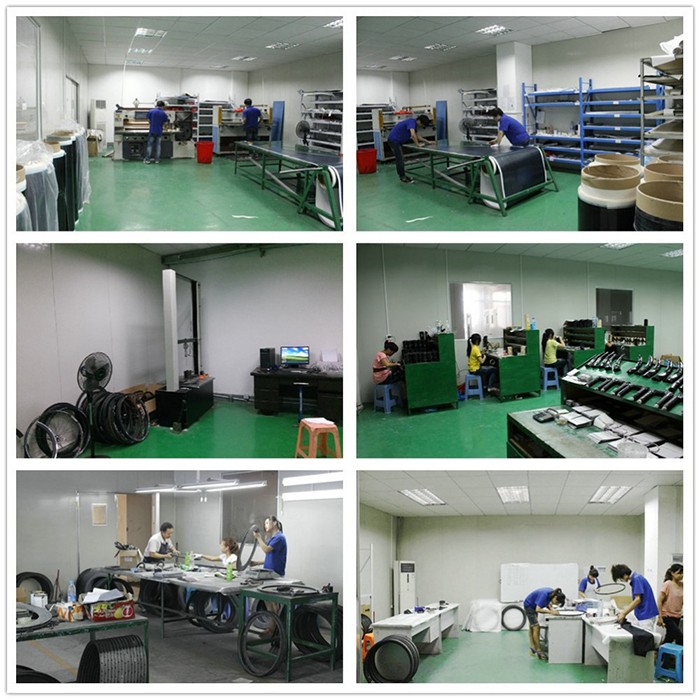
At Trips, every wheelset is built around strict quality-control processes, ISO4210 testing standards, and hand-built wheel assembly by experienced mechanics. This manufacturing evolution is one of the main reasons riders worldwide are increasingly confident in choosing Chinese carbon wheels.
Step 1: Understand Your Riding Style First
Before comparing brands or prices, riders should first ask one important question:
“What type of riding do I actually do most?”
Different riding styles require completely different wheel characteristics.
| Riding Style | Recommended Wheel Type | Main Priority |
|---|---|---|
| Climbing | Lightweight 30–40mm wheels | Low rotational weight |
| All-round road riding | 45–55mm wheels | Balance |
| Aero racing | 60mm+ deep-section wheels | Aerodynamics |
| Gravel riding | Wide internal rims | Stability + comfort |
| Endurance riding | Tubeless-compatible wheels | Durability |
Choosing incorrectly often leads to disappointment — not because the wheels are bad, but because they don’t match the rider’s real-world needs.
High-End Carbon Wheels: Who Are They Really For?
Premium carbon wheelsets are designed for riders chasing maximum performance.
These wheels usually feature:
Ultra-light carbon layups
Ceramic bearings
Advanced aerodynamic rim profiles
Premium spoke systems
Hookless tubeless technology
Advantages of High-End Wheels
1. Better Acceleration
Lighter rotational mass means faster response during climbs and sprinting.
2. Superior Aerodynamics
Deep-section rims reduce drag at higher speeds, especially above 35km/h.
3. Higher Lateral Stiffness
Professional riders often prefer stiffer wheels for precise handling during aggressive cornering.
4. Better Ride Feel
High-end carbon layups can improve vibration absorption without sacrificing stiffness.
Mid-Range Wheels: The Smartest Choice for Most Riders
Interestingly, many experienced cyclists now prefer mid-range carbon wheels instead of flagship models.
Why?
Because modern mid-range wheelsets often provide:
85–90% of elite performance
Better durability
Lower replacement costs
Easier maintenance
More forgiving ride quality
For most riders, a 50–55mm tubeless-ready wheelset offers the best balance of:
Weight
Aerodynamics
Crosswind stability
Price
This category has become especially popular among endurance riders and amateur racers.
Budget Carbon Wheels: Are They Worth Buying?
The answer depends on the manufacturer.
A well-made entry-level wheelset from a reputable company can still provide:
Significant weight savings
Improved acceleration
Modern aerodynamic benefits
Reliable everyday riding
However, riders should pay close attention to:
Warranty support
Rim quality consistency
Spoke tension accuracy
Bearing quality
Replacement part availability
Cheap wheels without quality-control systems often create long-term problems that outweigh initial savings.
Durability: The Most Overlooked Factor
Many riders obsess over weight numbers while ignoring durability.
But in reality, wheel durability determines:
Long-term maintenance costs
Rider safety
Overall ownership satisfaction
What Actually Makes Carbon Wheels Durable?
Carbon Layup Quality
The way carbon layers are arranged matters more than raw material marketing.
Resin Systems
Poor resin quality often leads to overheating or cracking.
Impact Resistance
A good wheel should survive potholes, rough roads, and transportation stress.
Spoke Tension Consistency
Uneven spoke tension dramatically reduces wheel lifespan.
At Trips, all rims are rigorously tested under ISO4210 standards to ensure structural reliability under real riding conditions.
Spoke Technology: Why It Matters More Than Riders Think
Spokes are not just “metal wires.” They directly influence:
Stiffness
Comfort
Aerodynamics
Durability
Straight-Pull Spokes
Often found on high-performance wheels:
Reduce stress concentration
Improve stiffness
Enhance power transfer
Bladed Spokes
Popular on aero wheelsets because they:
Reduce drag
Improve stability at speed
Traditional J-Bend Spokes
Still valued for:
Easier maintenance
Better replacement availability
For riders traveling internationally or racing abroad, easy spoke replacement can actually matter more than small aerodynamic gains.
Tubeless or Clincher — Which One Should You Choose?
Tubeless setups continue gaining popularity for good reason.
Advantages of Tubeless Wheels
Lower rolling resistance
Better puncture protection
Improved comfort
Lower tire pressures possible
However, tubeless systems also require:
Sealant maintenance
Correct tire installation
Compatible rim standards
For riders focused on simplicity, traditional clincher setups still remain practical.
Warranty Policy: One of the Most Important Buying Factors
Many riders underestimate how important warranty support becomes after purchase.
A strong manufacturer should provide:
Clear crash replacement policies
Responsive customer support
Spare parts availability
Technical guidance
At Trips, long-term cooperation with international customers has shown that trust and after-sales support matter just as much as wheel performance itself.
Logistics & Shipping: What International Buyers Should Know
Carbon wheels are performance products — but they are also fragile cargo.
Reliable international shipping includes:
Reinforced packaging
Rim edge protection
Moisture-resistant wrapping
Stable carton structures
For distributors and wholesale buyers, logistics reliability directly affects customer satisfaction and retail reputation.
Trips exports globally to:
Europe
United States
Japan
Korea
Thailand
Southeast Asia
This export experience helps reduce transit risks and delivery uncertainty.
How to Choose the RIGHT Carbon Wheels in 2026
Instead of chasing hype, riders should focus on practical matching.
Choose Based On:
Your Riding Terrain
Flat roads require different wheels than mountain climbs.
Your Weight
Heavier riders may need stronger spoke counts and reinforced rims.
Your Speed Goals
Aerodynamics matter more at higher average speeds.
Your Maintenance Preference
Some systems require more technical knowledge than others.
Your Budget
The most expensive wheel is not always the smartest purchase.
FAQ
Q1: Are Chinese carbon wheels reliable now?
Yes. Leading manufacturers now use advanced carbon technologies and international testing standards comparable to premium global brands.
Q2: How deep should my rims be?
30–40mm for climbing, 50–55mm for all-round riding, and 60mm+ for maximum aero performance.
Q3: Are tubeless wheels worth it?
For most endurance and performance riders, yes. They improve comfort and reduce puncture risk.
Q4: What matters more — hubs or rims?
Both matter, but poor spoke tension and weak assembly often cause more problems than hub choice.
Q5: How important is warranty support?
Extremely important. Good after-sales support greatly improves long-term ownership experience.
Why More Riders Are Choosing Trips
Founded in 2017, Trips has grown into a comprehensive carbon composite manufacturing enterprise integrating:
R&D
Design
Production
Manufacturing
Sales
Global service
With:
2000㎡ production area
50+ staff
6 engineers
3000 carbon rims monthly capacity
500 wheelsets monthly production
Trips continues delivering high-quality carbon wheel solutions for riders and brands worldwide.
Every wheelset reflects the company philosophy:
“Quality development, reputation and survival.”
Conclusion
Chinese carbon wheels are no longer simply “cheap alternatives.” In 2026, they represent some of the most competitive performance products in the cycling industry.
But choosing the right wheelset requires more than comparing weights or prices. Riders must consider:
Durability
Riding style
Spoke technology
Warranty support
Tubeless compatibility
Logistics reliability
The best wheelset is the one that matches your riding goals, your roads, and your expectations.
At Trips, we believe carbon wheel technology should not only make bikes faster — it should make every ride more confident, reliable, and enjoyable.